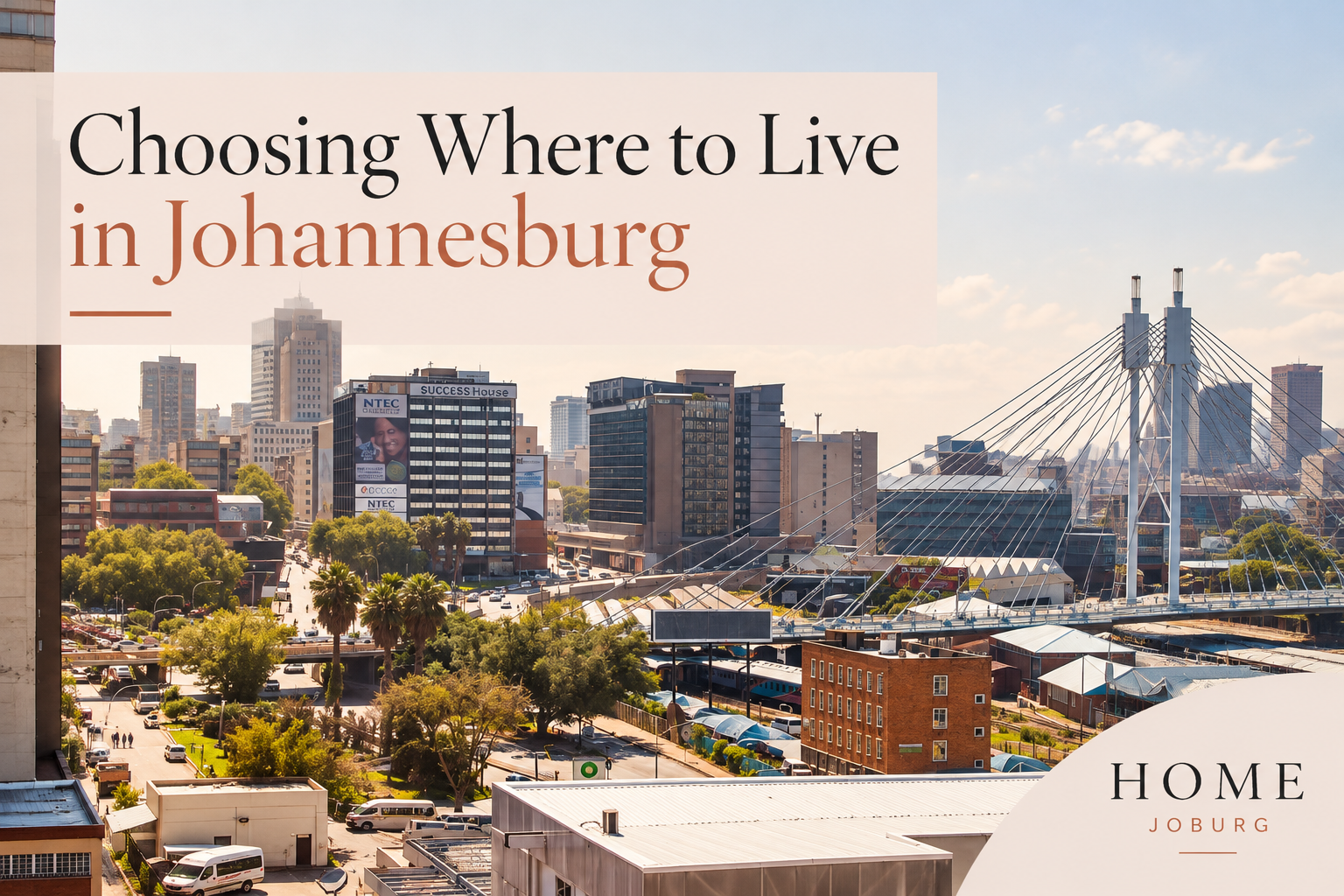
Where Do Expat Families Actually Live in Johannesburg?
Expat families in Johannesburg cluster in five areas: the golf estates up north around Dainfern, Steyn City and Waterfall; the Bryanston, Morningside and Sandton belt near the business district; Rosebank for apartment living, the Parks, the older walkable suburbs between Sandton and town; and Maboneng and the inner city.
Choosing where to live was one of the first big decisions we faced, and it is still one of the questions international families ask me most often.
After years of living here and helping other families settle in, I have learnt that choosing a home in Johannesburg is about much more than bedrooms, bathrooms and a swimming pool. It is about the school run, your daily routine, the people around you and the kind of life you want to build here.
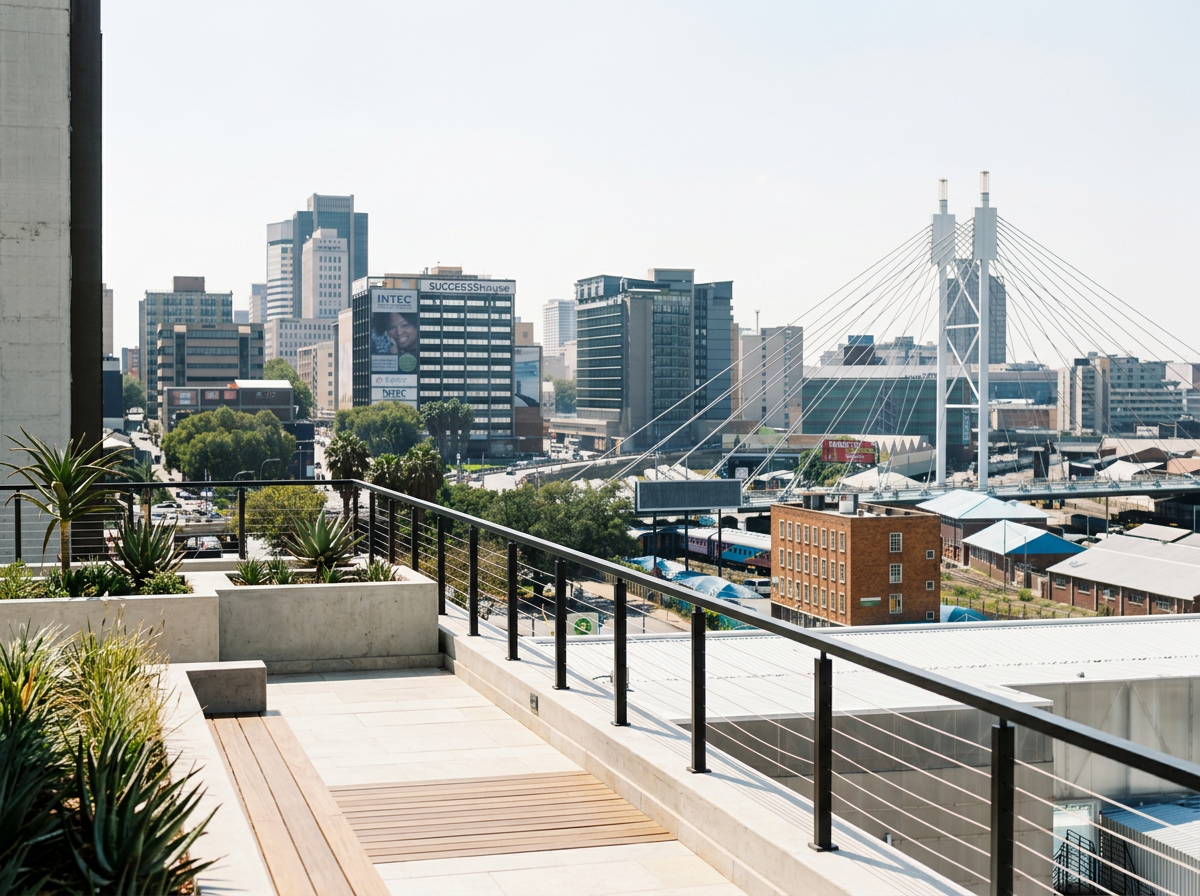

What are the five areas expat families choose between?
Johannesburg is a sprawling city, and the best place for your family will depend on where you need to be most days and how you want to live.
As a starting point, it helps to think about five broad areas: the northern estates, the Bryanston–Morningside–Sandton belt, Rosebank, the Parks and the inner city.
1. North Johannesburg: Dainfern, Fourways, Steyn City and Waterfall
If you picture a spacious family home, a garden, plenty of room for the children and a community of other international families, the northern estates are likely to be on your list.
Dainfern, Fourways Gardens, Cedar Lakes, Steyn City and Waterfall offer a range of secure estate living, with different property styles, facilities and lifestyles. Many families appreciate the sense of community, shared amenities and the convenience of having other newcomers around them.
For families arriving on a two- or three-year work assignment, this can be a comfortable way to settle in. There are established communities, plenty of family-sized homes and opportunities for children to make friends with others in a similar situation.
The trade-off is distance. Depending on your workplace, school and daily commitments, you could spend a significant amount of time in the car. Estate living can also feel a little removed from the wider city, particularly if you want to explore Johannesburg's independent shops, restaurants and neighbourhood life.
Best suited to: Families looking for space, shared facilities, a community of international residents and a more contained residential lifestyle.
2. Bryanston, Morningside and Sandton: central for work and family life

Sandton is Johannesburg's main business hub, so if your new job is based here, living nearby may make everyday life considerably easier.
The surrounding areas of Bryanston and Morningside offer a mix of freestanding homes, cluster developments, apartments and gated estates. There is plenty of choice, from larger family houses to lower-maintenance properties.
Bryanston is particularly worth exploring if you want a family home with a garden without necessarily living on a large estate. Parkmore is another option to consider if you would like a freestanding house and a more neighbourhood-focused feel, while River Club offers estate living nearby.
Morningside can work well for families who want to be close to Sandton and some of the international schools. Sandton itself offers apartments and cluster homes that may suit professionals who prefer less garden maintenance and a shorter journey to the office.
One thing to remember is that being geographically close to work does not always mean a quick commute. Traffic can be heavy, and when traffic signals fail, journeys can take considerably longer than expected.
Best suited to: Families working in or around Sandton who want a practical balance of home, school and work.
3. Rosebank: stylish, lock-up-and-go apartment living
If you would rather swap a large garden for a balcony, a good coffee shop downstairs and less time spent maintaining a property, Rosebank is well worth exploring.
Rosebank offers a more urban style of Johannesburg living, with modern apartment buildings, restaurants, cafés, shops and convenient access to the business districts of Rosebank and Sandton. It can be particularly appealing if you are relocating for work and want a home that is easy to manage, whether you are living alone, as a couple or with a smaller family.
The appeal is the lock-up-and-go lifestyle. You can choose an apartment in a managed building, enjoy having amenities close by and spend more of your weekends exploring the city rather than looking after a large property. For professionals who travel regularly, or families who prefer apartment living to a house with a garden and pool, this can be a very practical option.
Rosebank also offers a useful middle ground for people who want to feel connected to Johannesburg's restaurants, shopping and cultural life without living in the inner city.
As always, look at the individual building as well as the suburb. Check the security arrangements, parking, backup power and water provisions, levies, noise levels and the routes you will use most often. If you have children, consider school locations and the daily commute before committing to an apartment.
Best suited to: Professionals, couples and smaller families looking for convenient, lower-maintenance living, with restaurants, shops and everyday amenities close at hand.
4. The Parks: Parkhurst, Parkview, Parktown North and beyond
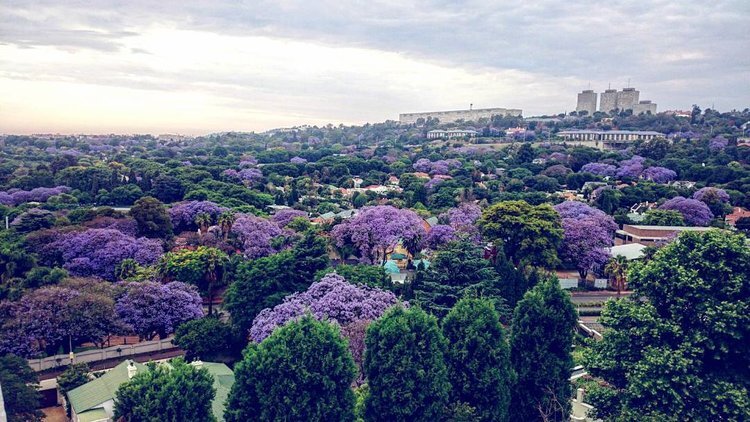
If you imagine Johannesburg as a collection of leafy neighbourhoods with independent coffee shops, local restaurants, established gardens and streets where people stop to chat, take a closer look at the Parks.
This group of older, established suburbs includes Parkhurst, Parktown North, Parkview, Parkwood, Greenside, Craighall Park, Saxonwold and Westcliff.
Each has its own personality. Some have lively high streets, others are quieter and more residential, and property styles range from characterful older houses to renovated family homes and modern developments.
Parkhurst is known for its village atmosphere and Fourth Avenue, with restaurants, independent shops and people out walking their dogs. Parkview has a strong family feel, with George Hay Park and a neighbourhood centre. Parktown North offers its own collection of restaurants and local businesses, while Westcliff is known for its older homes, larger properties and elevated views.
One of the things I love about these neighbourhoods is that they offer a different experience of Johannesburg. You can head out for a coffee, explore a local park, meet friends for lunch or become a regular at a favourite restaurant.
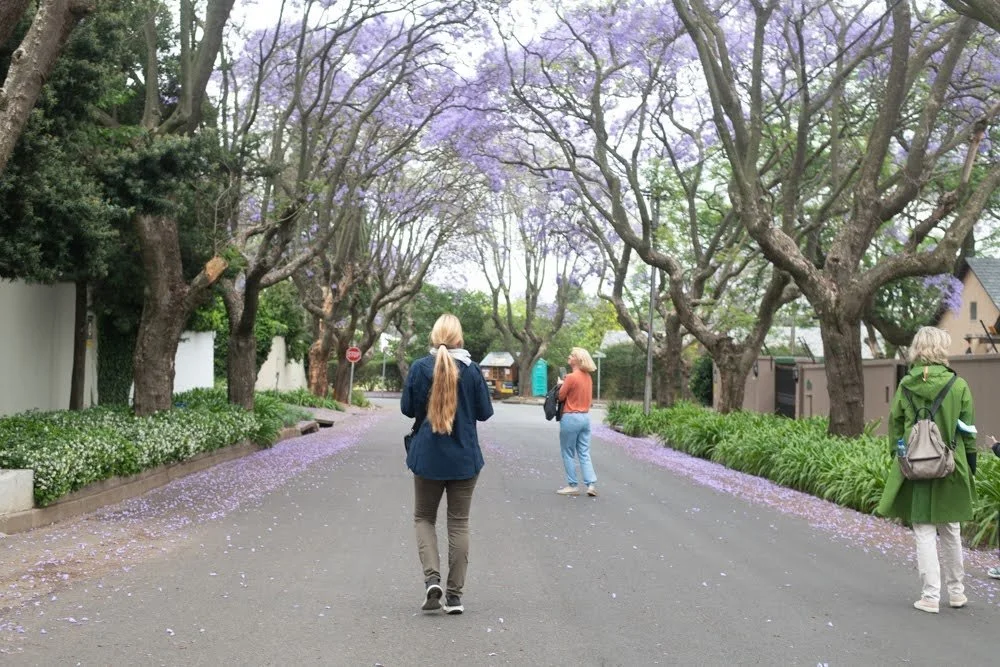
Come October, the jacarandas add a splash of purple to many streets, making this part of the city especially beautiful.
The Parks are not necessarily the easiest option for every newcomer. Finding the right property can take time, and your preferred school may influence which suburb makes the most sense. But if you want to feel connected to a local neighbourhood rather than living entirely within a residential estate, they are well worth exploring.
Best suited to: Families who value character, local businesses, green spaces, established communities and a more neighbourhood-based lifestyle.
5. Braamfontein and Maboneng: a more urban way of living
Not every international arrival is looking for a large family home and a garden.
Braamfontein and Maboneng offer a different perspective on Johannesburg, with apartments, creative spaces, galleries, restaurants and cultural venues. They appeal to people who enjoy an urban environment and want to explore the city's creative side.
These areas tend to attract a different mix of residents from the larger family estates, and they are less commonly the first choice for relocating families with school-age children.
That does not mean they should be overlooked. If you are moving alone, as a couple or as a professional who enjoys city living, they may be worth considering as part of a wider property search. As with any Johannesburg neighbourhood, it is important to assess the specific building, street, security arrangements and daily routes rather than making assumptions about an entire area.
Best suited to: Professionals, couples and those who prefer apartment living and an urban, creative atmosphere.
Should you live in a secure estate, a cluster home or a freestanding house?
This is one of the biggest decisions you will make when looking for a home in Johannesburg. There is no single right answer, and I would always encourage you to experience the options before deciding.
Estate living: convenience and community
Estate living can make the transition to Johannesburg feel more straightforward. Access is controlled, facilities may be close at hand, and children have opportunities to meet other families within the community.
For some families, the appeal is obvious. In Dainfern, for example, children can enjoy a more contained environment, with shared facilities and other families nearby. But estate living comes with its own practicalities. At busy times, even getting through the gate can take 15 minutes — something worth factoring into your daily routine if you have school drop-offs or a commute to manage.
Security is another important consideration. Estates offer managed access and security arrangements, but it is worth understanding exactly what is provided rather than assuming every estate offers the same level of protection.
The alternative is not necessarily compromising on security. In some freestanding neighbourhoods, residents rely on a combination of property-level security, neighbourhood networks and armed-response services. Hannah has heard examples of armed response arriving within two minutes, although response times vary and should never be treated as guaranteed.
The real question is which arrangement suits your family, your property and your everyday life.
Best suited to: Families who value shared facilities, a more contained residential environment and a ready-made community.
Freestanding homes: character and neighbourhood life
A freestanding house in an area such as Parkhurst or Parkview offers a different experience. You may have an established garden, a distinctive older property and a local high street nearby.
You are also more likely to encounter a broader mix of residents, from families who have lived in the area for years to students, young professionals and people who have recently moved to Johannesburg.
Of course, a freestanding home comes with its own responsibilities. Security arrangements, garden maintenance and general upkeep all need consideration, and the details vary from property to property.
Cluster homes: the middle ground
Cluster homes are often overlooked when people first start searching, but they can be an excellent compromise.
They typically offer a house-like layout with less garden to maintain and shared or managed security arrangements. Depending on the development, you may also benefit from a more convenient location than some of the larger estates.
For families who want a little more independence without taking on the full responsibilities of a freestanding property, a cluster home can be worth serious consideration.
What about security?
Security is understandably high on the list for anyone moving to Johannesburg. But I would be cautious about assuming that an estate is automatically the right answer, or that a freestanding house is necessarily the wrong one.
Look at the individual property, its security measures, the surrounding streets, access points and the arrangements in place for residents. Speak to people who live nearby and ask specific questions about their experience.
Community can make a real difference, too. Local residents' associations and neighbourhood WhatsApp groups may help people share information and respond to concerns. They are not a substitute for appropriate security measures, but they can be a valuable part of feeling connected to your area.
The important thing is to make an informed decision based on the property and neighbourhood you are considering, rather than choosing an entire lifestyle out of fear.
How much should your children's school influence where you live?
If you are moving to Johannesburg with children, I would put school location near the top of your decision-making list.
It is tempting to choose a school based on its reputation or curriculum and then look for a home nearby. But Johannesburg is a city where the school run can have a huge impact on your everyday life.
Take Winnie Mandela Drive, for example. The morning traffic between around 6am and 8am can make a significant difference to how long a journey takes. A home that looks conveniently close to school on a map may feel very different when you are driving that route every morning.
Multiply the school run by work commitments, afternoon pick-ups and after-school activities, and the time quickly adds up.
I have seen how much happier families can be when their daily routines work well. Being able to walk to school, where practical, or having a manageable journey in the right direction can make an enormous difference.
Your school choices will help narrow down your property search. For example, the German School Johannesburg is in Parktown, while the Lycée Jules Verne's Morningside campus is in the Sandton area. Families considering the American International School of Johannesburg should also check its current campus location and calculate the journey from any property they are considering.
I would never tell you which school is best for your child. That is a personal decision based on your family, your plans and your child's needs. But I would encourage you to consider the commute just as carefully as the academic offering.
My advice? Start with your school options, map out your likely daily journeys, and then look for a home that supports the life you want to live.
Why are so many relocating families shown properties on estates first?
There is a practical reason estates often feature heavily in relocation searches. They can offer a relatively straightforward starting point for families who are unfamiliar with Johannesburg, with a range of properties, established security arrangements and communities that include other international residents.
Corporate housing requirements can also influence the options presented to employees arriving on assignment.
But the easiest option to organise is not automatically the best fit for your family.
If you are shown only properties in estates, you may never discover the appeal of a leafy suburb, an independent coffee shop around the corner or a neighbourhood where you can build relationships beyond your immediate residential community.
Equally, if you have always lived in a freestanding house, an estate may offer exactly the convenience and peace of mind you are looking for.
This is why I believe in showing families different options and helping them understand the trade-offs, rather than assuming that everyone arriving from overseas wants the same thing.
How do you choose the right Johannesburg neighbourhood before you arrive?
You can read guides, join online groups and ask for recommendations from people who already live here. These are useful starting points, but they can also leave you with a hundred conflicting opinions.
One person will tell you that their suburb is the only place to live. Another will insist that you should never consider it. Both may be speaking from perfectly genuine experience, but their priorities could be completely different from yours.
If you can, spend time exploring before committing to a long-term rental or purchase. Walk along the high streets, visit the parks, drive the school route and see what an ordinary weekday looks like. Explore at different times of day and think about where you will shop, exercise, meet friends and spend your weekends.
If you cannot visit before you move, you can still make a more informed decision by understanding the different areas, asking specific questions and getting advice from someone who knows the city on the ground.
The aim is not to find the universally perfect suburb. It is to find the right fit for your family.
What about property prices, renting and buying?
This guide is designed to help you understand Johannesburg's different neighbourhoods and ways of living. It is not a current price guide: rental and purchase costs vary according to the property, location, condition and facilities.
Before deciding whether to rent or buy, consider the length of your assignment, your budget, your plans for the future and the costs associated with each option.
Foreign nationals can generally purchase property in South Africa, but the financing arrangements available to non-residents can differ from those available to residents. If you are considering buying, speak to a South African bond originator and a conveyancing professional about your individual circumstances before making financial commitments.
The same principle applies to visas, tax and exchange control: seek advice from the relevant specialists rather than relying on general information online.
And when it comes to security, I would always encourage you to look beyond broad labels about which suburbs are safe or unsafe. Understand the specific area, the property and the practical steps residents take to manage risk.
Ready to find your place in Johannesburg?
Moving to a new country is a big adventure, but it can also feel overwhelming when you are trying to make important decisions from the other side of the world.
I know what it is like to arrive without a local network or a clear picture of how the city fits together. It is why I now help international families make sense of Johannesburg, from choosing a neighbourhood and understanding the property market to finding the people and places that make a new city feel like home.
If you are weighing up the northern estates against the Parks, trying to balance school and work, or simply unsure where to begin, let's talk it through.
Book a Home Joburg Discovery Session.
In a 90-minute private video call, we will look at your family's needs, school options, commute and preferred lifestyle. Afterwards, you will receive a written Neighbourhood and Housing Guide to help you move forward with greater clarity.
The session costs US$297, and the fee is credited in full if you subsequently take up the Global Executive Concierge service.
You can also listen to Sarah Passmore and me discussing the differences between living in Parkhurst and Dainfern in our New in Town podcast episode, Where to Live in Johannesburg.
Because finding a house is one thing. Finding your place in Johannesburg is something else entirely.