Living as an expat in South Africa.
Having moved here and not had a clue where to start, below I have pulled together the resources I wish I had.
If you have any specific questions thats what our Discovery Session is for, where we take the knowledge and information below and personalised it to you and your family situation.
The three decisions that will overwhelm you when you start first researching your move to South Africa are:
Where is the best place for expat to live.
What are the best schools in Johannesburg? (International & Local)
Will I feel safe living in Joburg?
My suggestion is listen to our schools and where to live New In Town podcasts. Because each suburbs has different types of housing, for example the suburb will decide whether you need an estate or can live freestanding.
Where should expat families live in Johannesburg?
Most expat families end up looking at one of four areas:
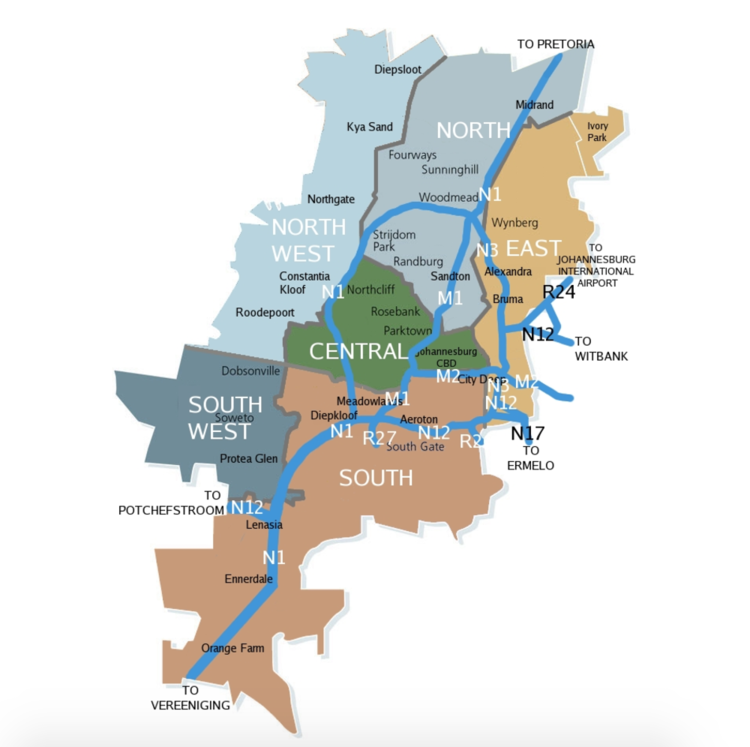
The northern estates: Dainfern, Steyn City and Waterfall
Sandton / Bryanston / Morningside
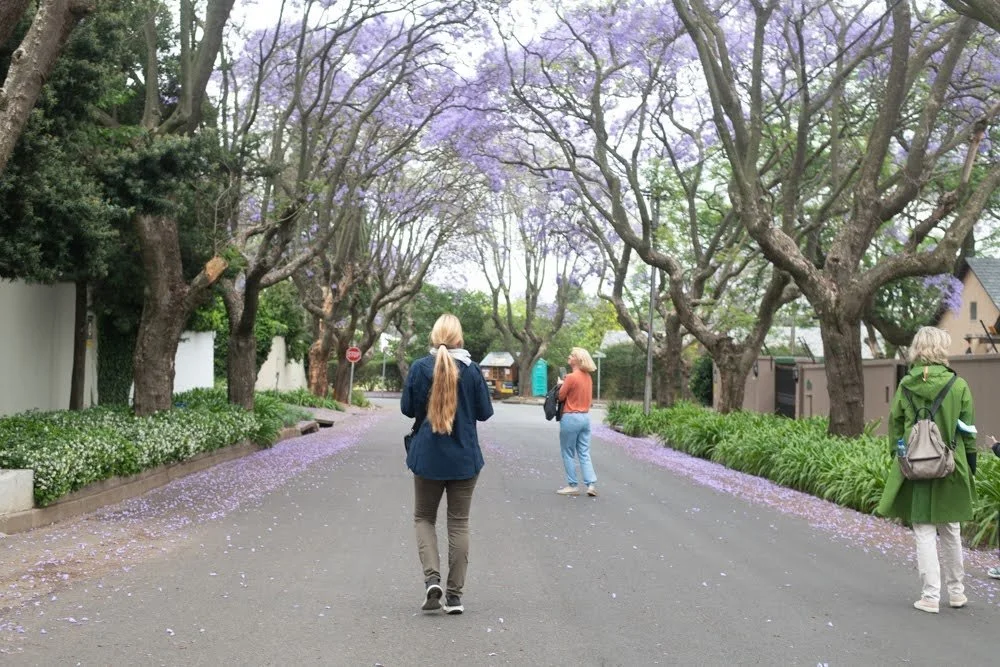
The Parks: Parkhurst, Parkview, Hyde Park and Saxonwold
Rosebank: for lock up and go apartment living.
The right area for your family comes down to three things: where your children go to school, where you need to be for work and the kind of lifestyle you want to have.
And there is one other question worth asking: how much of a bubble do you want to live in?
If you work with a traditional relocation agent, there is a good chance they will point you towards one of the northern estates. They have been designed with expat families in mind. The houses are easy to place, the American School and Dainfern College are nearby, there are plenty of other international families and some companies actively encourage or require their employees to live in certain estates.
It makes the relocation easier.
But what is easiest for the relocation agent isn't necessarily what is right for your family.
An estate buys you convenience. Your children can cycle to a friend's house. There are lots of families in a similar situation. Everything is contained, familiar and straightforward. And when your posting comes to an end, handing the house back is simple.
A freestanding house in the Parks gives you something quite different. You are living in the city rather than in a self contained community. You have a high street, independent shops, restaurants, neighbours who aren't all passing through and Saturday mornings on 4th Avenue. Your children can grow up with local families as well as other expat children, and you become part of a neighbourhood rather than simply an expat community.
Neither is inherently better. They are very different ways of experiencing Johannesburg.
Johannesburg's morning traffic starts early, often before 6am, and can continue well into the morning. Choose the wrong side of the city and you could easily spend an hour each way in the car, twice a day.
So before you fall in love with a house, look at the school, the office and the daily route between them.
Listen: New in Town: Where to Live in Johannesburg
The best neighbourhood isn't necessarily the one with the nicest house. It's the one that makes your family's everyday life work.
How do schools work in Johannesburg for expat families?
Johannesburg has a good mix of international and South African schools, so you have more choice than you might expect. There are American, German and French schools, alongside some excellent local independent schools.
One important difference to understand from the outset is the school year. South African schools run from January to December, and children are generally placed according to their year of birth, rather than the September to August system used in the UK and some other countries. This can take a little getting used to when you first arrive.
International schools
International schools can be expensive, particularly if your employer isn't covering the fees, and the cost can completely change the school decision for a family.
The American school is the largest and has a particularly high expat population. Fees are roughly double those of some of the other international options and can be comparable to paying for a US university.
The German school is one of Johannesburg's oldest and sits right in the Parks, while the French school tends to attract families on shorter international postings and is particularly popular with West African families.
Each school has its own character, curriculum and community, so it's worth looking beyond the headline fees and thinking about how long you're likely to be in Johannesburg, where you'll live and what sort of environment will suit your children.
One thing to factor into your move
The big South African summer holiday is December and January. It is a long break, and life really slows down.
Schools are closed, many businesses operate on reduced hours, and getting people to respond to emails or organise things can be surprisingly difficult. If you're planning a move, school applications, house hunting or any other important admin, don't leave it until December.
And if your employer is paying school fees, find out exactly what is covered and what isn't before you make your school shortlist. The difference between an employer funded international school and paying the fees yourself can be enormous.
Listen: New in Town: Schools
Is Johannesburg safe for expat families?
Yes, and thousands of expat families live very happily here. Security is something you need to take seriously in Johannesburg, but it does not need to dominate your life or stop you enjoying the city.
Johannesburg has real crime, and you quickly learn that there are certain things you simply do differently here. The good news is that most families find that these precautions become habits very quickly. You lock the doors, arm the alarm, pay attention when you're driving and choose your home and neighbourhood carefully. Then you get on with normal family life.
Your children can have friends over, play sport, go to school, ride their bikes and spend weekends at restaurants, markets, parks and friends' houses. You don't need to spend your entire time looking over your shoulder. The key is understanding the environment, choosing your security setup carefully and developing a few sensible routines.
And you don't automatically need to live in a secure estate to feel safe. A well secured freestanding home can have excellent protection, particularly when you combine physical security with alarms, cameras and a reputable armed response company. The right setup matters more than simply whether a property is inside an estate.
Security professionals often break home security down into three areas:

Physical: gates, lighting, electric fencing, alarms and cameras.
Procedures: actually using and maintaining the systems you have. An alarm that isn't armed doesn't help you very much.
People: knowing who has access to your home and properly vetting staff, contractors and anyone else who regularly comes onto your property.
In other words, security isn't just about building higher walls. Your routines and the people who have access to your home matter too.
Then there are the everyday habits that quickly become second nature.
Arm the alarm when you leave.
Don't leave anything visible in your car, and put your phone away while driving.
When you arrive home, pause before opening the gate and check that nobody has followed you.
These things might sound strange when you first arrive, but after a few weeks they become as automatic as locking your front door.
The most important thing for an expat family is not to let security prevent you from experiencing Johannesburg. You are moving here to live, not to hide. Once you have your home, school, commute and security arrangements sorted, you can get on with the fun stuff: weekends away, sport, restaurants, friends, exploring the city and making the most of everything South Africa has to offer.
The Parkhurst residents I spoke to for New in Town had, I thought, a particularly healthy attitude: set your rules, then live.
And yes, the street WhatsApp groups get mocked, fairly. But there is something rather lovely about the way a Johannesburg neighbourhood can rally around a neighbour within minutes when someone needs help.
Security is part of life here. It doesn't have to become the whole of your life.
Listen: New in Town: How to Stay Safe in Johannesburg
Talk it through with me
I moved to Johannesburg with my husband's job, for an adventure. That was 2010, and I have been answering these questions for families ever since.
A Discovery Session is a 90-minute video call where we work through suburbs, schools and security against your actual family and timeline.
You choose the focus, and within 24 hours you get one written document, such as a Schools Guide & Application or a Neighbourhood & Housing Guide.
It costs $297 and if you later choose Global Executive Concierge, the fee is credited in full.
Want to take this with you?
You can keep scrolling here. We know relocation research happens in the oddest places. While you’re waiting for the kids, between meetings, or lying awake wondering what on earth you’ve signed everyone up for. Download your Relocation Guide below
Moving to Johannesburg FAQ
Should you choose a Johannesburg school or a home first?
For most relocating families, the school should come before the home.
Johannesburg traffic means that a house which appears close to a school on a map can still create a difficult daily journey. Once a suitable school place has been confirmed, I generally recommend looking for a home within approximately five kilometres of the school.
International families should also confirm the child’s grade placement in writing because the South African academic year runs from January to December and age cut-offs may differ from those in the family’s home country.
Should expats rent or buy when they first move to Johannesburg?
Most international families should rent for at least six months and preferably for their first full year.
Renting gives a family time to test the school, commute, suburb and style of daily life before making a long-term property decision. It is difficult to know from overseas whether your family will prefer a walkable neighbourhood, a secure complex or a large gated estate.
What should you organise before moving to Johannesburg?
Start with the matters that shape every later decision:
- Confirm the office address and accompanying partner’s visa position
- Apply to several suitable schools as early as possible
- Confirm each child’s likely grade placement
- Book four to six weeks of short-term accommodation
- Allow enough time for shipping, customs and pet arrangements
- Arrange suitable medical cover
- Bring certified copies of important family and school documents
- Plan a look-and-see visit before signing a long-term lease