
How Christmas Is Celebrated in South Africa – My First Festive Season in Johannesburg, away from home.
I still remember my first Christmas in Johannesburg like it was yesterday — and honestly, I spent most of it in tears. It just didn’t feel like Christmas. There were no work parties, no Christmas lights twinkling down the high street, and no carols on the radio. By the time I’d found out when the local carol services were happening, they were over — because (top tip!) the whole of Joburg shuts down the moment the schools break up, which is usually right at the start of December!
Coming from the Northern Hemisphere, it was hard to imagine Christmas without snow, woolly jumpers, or hot chocolate. But in South Africa, the festive season falls in the middle of summer, which means swapping snowflakes for sunshine, scarves for swimsuits, and mulled wine for an ice-cold glass of rosé by the pool.
And here’s the thing — it’s actually wonderful.
🎄 A South African Christmas: Sunshine, Surfboards & Braais
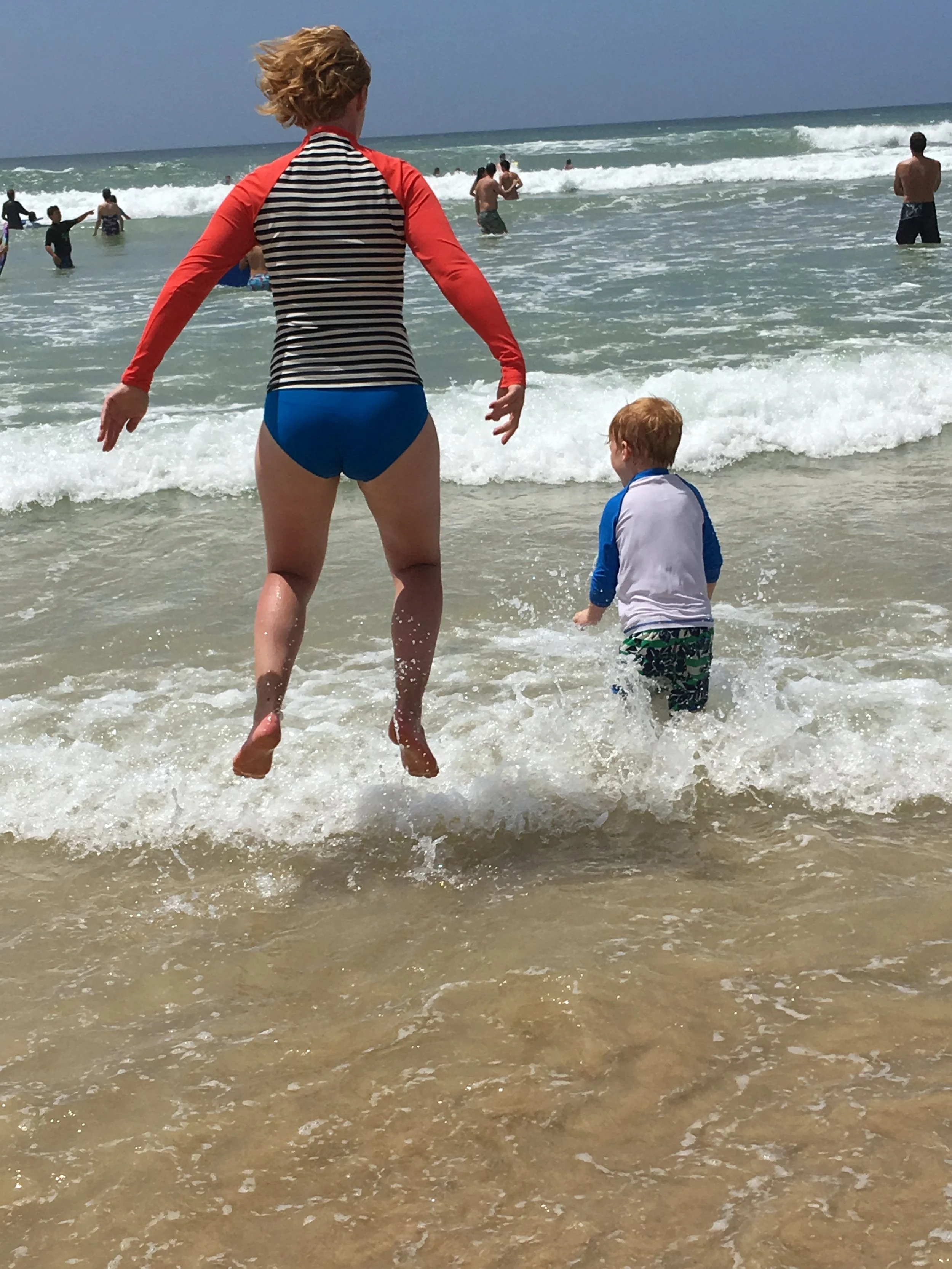
Fast forward a few years, and Christmas in South Africa has become one of our absolute favourite traditions. Every December, the whole family piles into the car, surfboards, swimming costumes, and way too many snacks. It’s chaotic, loud, and totally perfect (apart from the year we forgot the Christmas stockings!). Our 12- 18hr road trip has become part of the December ritual, to unpack the year, slowly unwind, and so when we arrive, we are ready for our holiday!
Unlike back home, the focus isn’t on presents or parties, it’s on switching off completely (which did take me a while to get used too). From around 16th December to 9th January, the country goes into holiday mode. Emails stop, meetings disappear, and life slows down beautifully. Only by mid-January, everyone is just easing back into routine.
It’s the kind of deep rest we never really got in the UK, and now I can’t imagine the holidays any other way.
Our Family’s New Christmas Traditions
Living in Johannesburg has given us a chance to create our own festive rituals. We’ve swapped roast turkey for prawns on the braai and Christmas pudding for Malva pudding (a South African classic!). Some years we eat outside under the stars, other years we head to the coast for a beach picnic, bacon rolls in the boat, hoping to see some Lions, and always with our Christmas hats on!
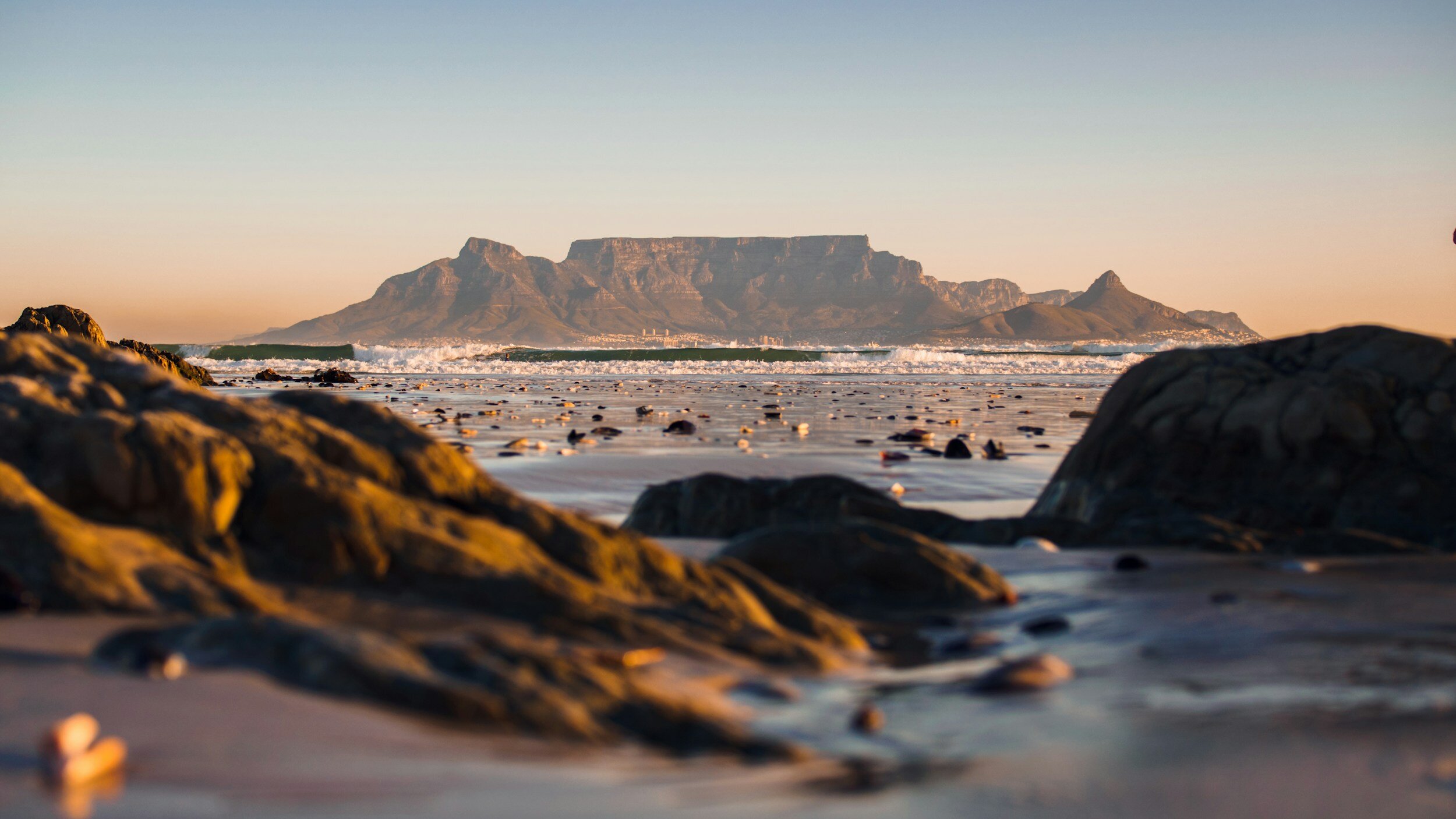
Because the focus here is the holiday season itself, our kids have grown up with a Christmas that’s far less commercialised. The day is all about friends, family, sunshine, food and of course, opening presents after an early morning swim (or last year an early morning hike up Table Mountain!)

Don’t Miss the Early Christmas Events in Joburg
One thing to remember: since most people leave Joburg early for the coast, all the best Christmas events and markets happen in November. If you wait until mid-December to start Googling “carol concerts near me” (like I did my first year!), you’ll miss them.
Here are some of my favourite Christmas events in Johannesburg to add to your diary:
- 🎭 The Pantomime at Joburg Theatre – Always full of laughter and fun. Click here for more info.
- 🎁 Local Christmas Markets – Linden (29–30 Nov), Parkview (21–23 Nov), Kamers St Davids 25th - 30th Nov, Field Market (8 Nov & 13 Dec). Bryanston Organic Market – Beautiful night markets throughout December.
- ✨ Melrose Arch Christmas Lights – Switch-on event on 14 November (absolutely magical).
- 🎵 Carols by Candlelight with the Drakensberg Boys Choir – 16 November, one of my highlights every year.
- 🎶 Sandton Square Carols – 21 November, bring a picnic blanket and soak up the festive spirit.
☕ Want to Join Us This Festive Season?
If you’re new to Johannesburg and want to make the most of the expat Christmas experience, come along to some of these events with us! We share what’s happening across the city (and who’s going) in our Beyond Coffee WhatsApp group — it’s a great way to meet other expats and explore Johannesburg together.
🌍 Final Thoughts
Christmas in South Africa might look completely different from the one you grew up with — no snow, no dark afternoons, no heavy coats. But what you get instead is a Christmas full of warmth, laughter, sunshine, and connection.
Whether you’re spending it at the beach, around a braai, or under the fairy lights at Melrose Arch, one thing’s for sure: you’ll never forget your first South African Christmas.


10 Reasons To Get Excited About Moving To Johannesburg
‘You live where? Johannesburg!!! WOW, don’t you worry about getting shot?’
OR
‘Your daughter, son in law and grandchildren live where? What on earth took them to Johannesburg? When are they coming home?’
OR
‘Hannah, the other day I saw this TV programme on Johannesburg, are you sure you are safe there?’
If you are living in Joburg, you get used to these comments each and every time you head back home. My poor parents are so fed up of defending our choice to live here, and constantly telling people how wonderful it is (thanks mum).
Who can blame these every day questions when often the media and South African’s living abroad will talk about crime, unemployment, water or electricity shortages and corruption the same way Brits talk about the weather or Londoners talk about travel options. Sadly there are a multitude of challenges for people living in Johannesburg and South Africa as a whole, but it is also a vibrant welcoming city, that opens its arms to invite you in, to love it or hate it.
So if Johannesburg or South Africa becomes an opportunity for you to move too, here are our Top 10 reasons why we think you should say yes!
The Sky
Blue skies, stormy skies, big skies (from road trips), beautiful white skies (after a storm), sun sets (range of colours reds, yellow, pink).

Image Marikjke Willems
Entrepreneurship
If you think you can, why not give it a go. The number of people who create their own business and execute their ideas into a reality is inspirational. You still have your hardware store, fruit and veg shop, cheese shop, local coffee shops, whereby you get to know the owner personally. This variety and personal approach is incredibly refreshing. The urbanisation of Joburg city centre is also incredibly exciting and vibrant, whether you are visiting Arts on Main, Braamfontein, Newtown, 1 Fox Street, or Jozi Lane. The personal belief to create something unique, to buy local, and make it happen is wonderful.
The Houses

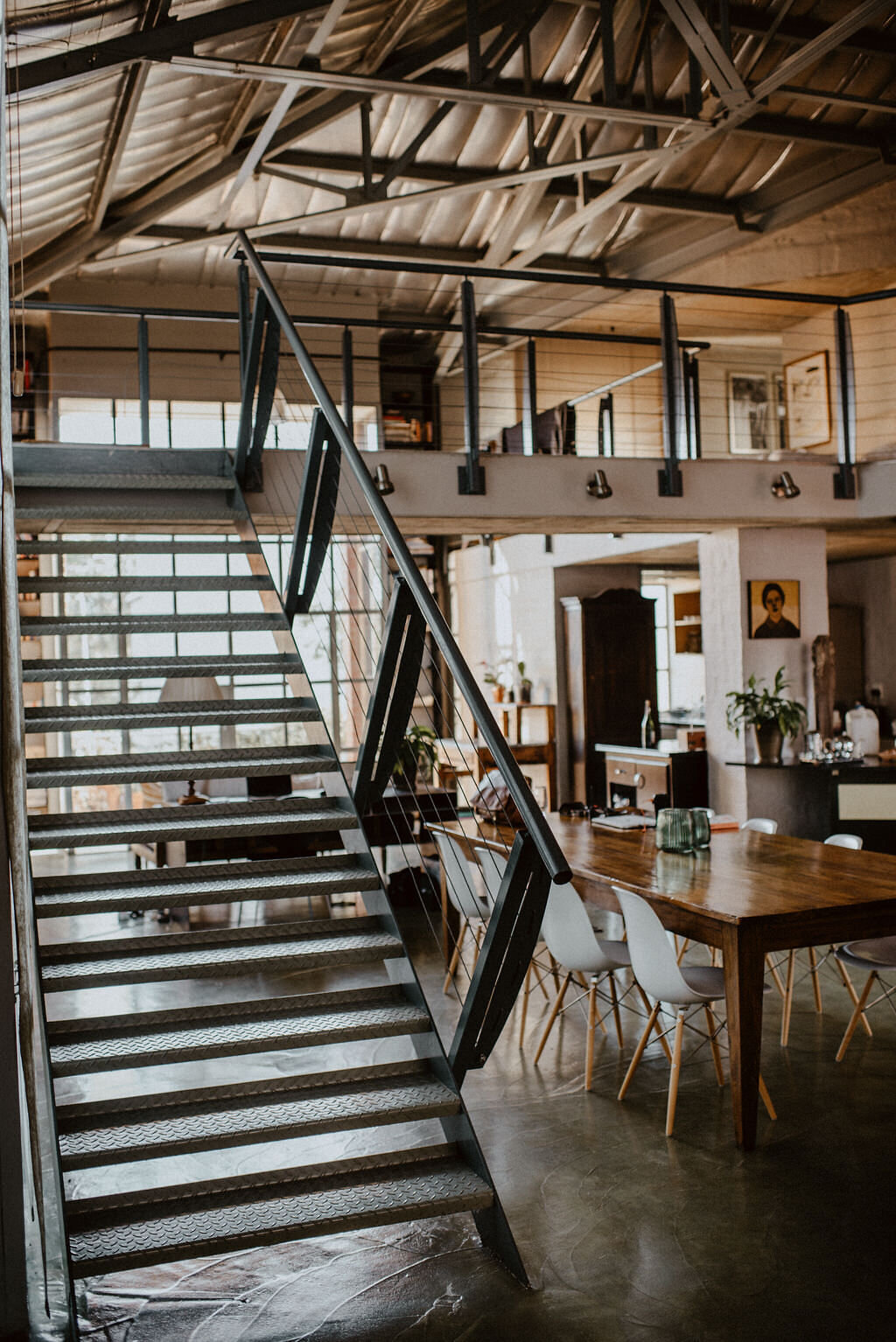
We have been very lucky to live in beautiful houses, as have our friends. Many of the houses are bungalows, which when you have small children it is brilliant not to have to keep running up and down stairs when trying to leave the house. There is so much space, opportunity to have a swimming pool (which keeps our kids entertained for 7 - 8 months of the year).
Laid back lifestyle
It is so easy to escape the city for weekend breaks away in the most beautiful countryside or beach, and the working day is nowhere near as long as many other cities. The down side of that is things take a LONG time to happen, and people often don’t show up when they say they will.
The Colours
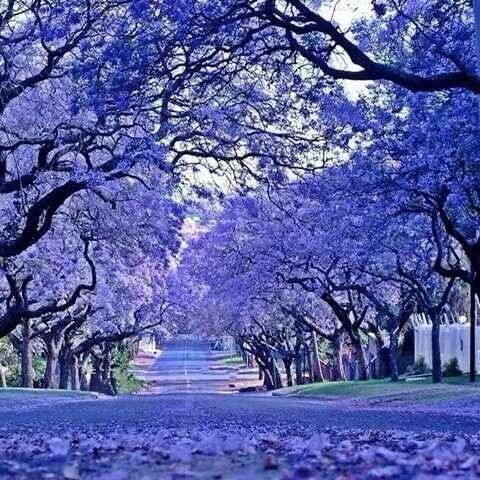
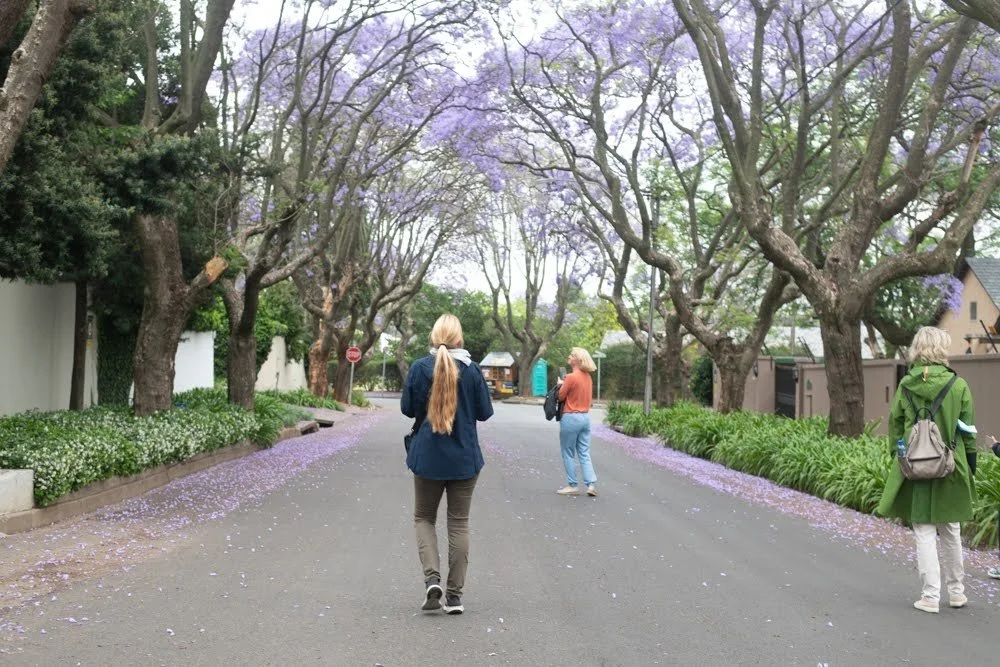
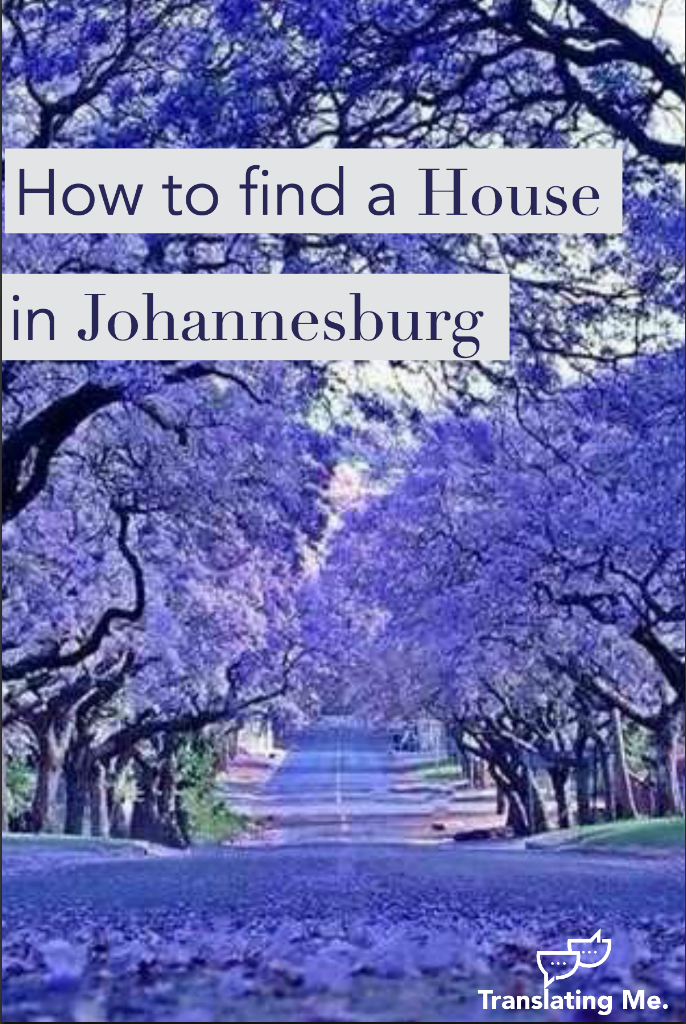
The pink Cherry Blossom, Purple Jacarandas, orange and purple Bird of Paradise, pink Proteas, orange Clivia Miniata. The whole city turns purple in October, and you cannot but smile as you drive around on your normal daily commute. There are beautiful parks with incredible views overlooking the city, perfect for early morning run or bike rides, walking the dog or just going for a stroll.
Food & Wine
The range of restaurants and price for good food and wine means that it is often cheaper to eat out than stay in! Also means its so easy to pick food up for the kids on the go, rather than always having to pack their lunch.
It is a Big, Little City
There is so much stuff to do, right on your door step, and it doesn’t take long before you know your way around so you don’t get lost in doing it all. Incredible to go and watch Cold Play or International Sport and then be back home in bed just 30 minutes later.

Accessible
Joburg is brilliant to travel into the rest of Africa, whether for business or on a road trip, it brilliantly.
International Sport

International Rugby, Cricket & Soccer are all very accessible and so easy to do as a family. We have taken our three kids (who are all under 5) to many test Cricket games, they have loved running around on the grass bank, the crowd are always so friendly, and great atmosphere, such a treat to be able to afford and then enjoy.
Cosmopolitan
For an African capital city it is very cosmopolitan and a lot more open to different views and cultures than many places in the country and the continent.
Joburg is one of the few cities without a river, sea or port, nor are there any mountains. But it does turn purple in October, have hot rain bouncing off the streets in December, warm clear blue winter days in May. You can walk around barefoot probably 360 days of the year (which my children now do), but the one thing I can guarantee is that you will be met with a welcoming smile and “howzit?” as soon as you land, whether it is from the cleaner in the OR Tambo airport or someone you pass whilst walking in the park, Johannesburg is mainly all about the people.
If you do brave the decision to come live here, a much hard decision is going to be why should we ever leave.

Super 6 Jozi Presents For Christmas
Christmas comes early in Johannesburg, mainly because the schools finish for their main summer holiday at the start of December and soon after everyone flees. My first year here I found it lonely and sad with the lack of Christmas Festivities. My favorite home comforts (Christmas Songs on the radio, Christmas parties, Christmas Specials on TV) weren’t here. Now I actually find it quite refreshing, and low key, with the celebration being about holidays and family time rather than the whole commercial take that there is in the UK and US.
What I have come to love about Christmas Shopping here, is the ability to buy your presents from local small businesses, through the wealth of Christmas Markets that take place across Joburg (for a list of markets see Top Christmas Events for 2019)
Here are my top brands to shop from on Christmas:
1) For Anyone
A Love Supreme - Wonderful South African brand, I have just purchased one of their beach umbrellas - but also check out their cute gift tags.

2) For Him
Hip Kit - Belts imported from Argentina (they also sell dog collars)
Melville and Moon - Great place for something a bit different, handmade safari luggage, camping chairs, Leather bags, portable drinks cabinets. Based in Kramerville.
Simon and Mary - Beautiful hats made here in Joburg.

3) For Kids
Kapas Baby and Toddler - Beautiful clothes and accessories for the little ones, from Memory Cards to cute muslins and these beautiful blankets. They were also rapidly selling out of their cute clothes too.
Pool Pillow - Hours of fun in the pool, or use it as a sun bed. These are just great for the whole family. R850 each
Yummy Baby - Great selection of kids toys on 4th Avenue, Parkhurst
PlayToys - This is a smaller toy shop that focuses on great wooden toys, educational games, and high quality playthings. Good from baby to teenager-or older! Shops are now located in Kyalami, Menlyn, and Blubird Center.

4) For You
Patrick Mavros - From Zimbabwe, these exquisite items make the ultimate luxury gift. Stores on the Fulham Road, London, Harare, Mauritius, and Nairobi. This is a brand you want to start collecting. I dream to have a dinning table with one or two of his sculptures in the centre one day.
How can I not include the beautiful Henrietta Botha - I adore every single item! From necklace's to her ear rings, and bracelets an item and price tag for every family member! You can purchase online here.

5) For Sibling/Friend
I adore these beautiful throws, table linen and blankets from Mungo - if you are in Joburg you can pick them up from A Beautiful Life in Parkhurst.
For the holiday - Stitch and Social Enterprise - cotton picnic blankets, in variety of styles.

6) Online Shopping
Whilst post in SA isn't the most reliable, more and more retailers are coming online…
Nonna - Great selection of gifts for him, her and kids!
Kramers - based in Cape Town, but head up a few times a year to run markets showcasing the best South Africa designers.
Hello Pretty - Online network of crafters, artists, and designers across South Africa. Kind of like a local Etsy site!
What else do you recommend?? Let us know across on Instagram and keep a look out on stories as I share my latest festive shopping finds.

Dog Walks In Johannesburg
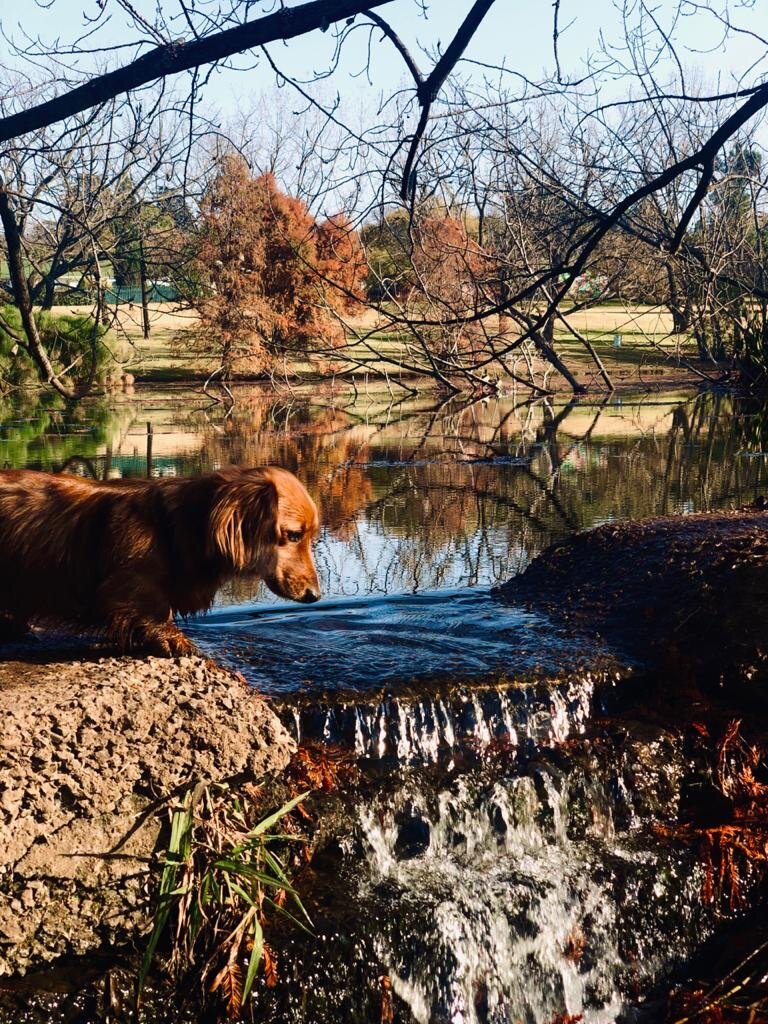
Spring is springing and now that we have a little more freedom (both us and our hounds) there is no better time to explore with your dogs some incredible parks around Johannesburg.
This a great variety to choose from whether you want to go on or off leash, a gentle stroll or a bit of adventure trail. Whichever option you go for, please make sure that you take only socialized dogs especially for off lead adventures.
If you are new to dog walks in Joburg, keep your possessions on you to a minimum and hidden. Keep hydrated, especially if you’re not used to the Joburg summer sun. Walks earlier in the morning or later in the afternoon are mor enjoyable for you and your dogs.
Tips and Etiquette
Please take a poop bag with you
Leash always (even if you’re planning on an off leash walk you never know what might happen with other dogs)
Water if you think it’s going to be a long walk especially in summer
If it’s too hot for you, it’s definitely too hot for your dog (rather walk when its cooler)
Leave your dog toys at home … it may just cause issues with other dogs wanting to play
Here are some of my favorite walks that we love to go on in and around town.
Delta Park in RandburgDelta Park is popular with dog walkers due to hectares of lush green grasslands and woodlands. There are also several dams for the dogs to wade in, and an heaps of bird life to keep an eye on.
A couple of the entrances also sell doggie products and coffees for the humans.
Do keep an eye out for cyclists as the walking and bike trails often intersect and they can come through at a speed.

Daria Photography KUIER.co
Emmarentia Dog Park ,is a firm favourite with dogs and their humans!
Check your entrances to see if you can enter off/ on leash. The off leash entrances are the top entrance on Thomas Bowler or Orange Road. There are a couple of dams where in summer, the dogs just love to jump in and cool down.
It also has a great community atmosphere and apart from the entrance there is little interaction with cyclists.
The Wilds – one of Joburg’s most beautiful park, The Wilds has been declared a National Monument. Its located sits in the dead centre of urban Johannesburg and is easy to drive by if you don’t know what you’re looking for. The park is open for walking tours during the summer months and you can bring your dog provided it’s on a leash. The views from the top of Joburg are spectacular and you get the added additions of seeing some of artist, James Delaney’s Owl and other animal installations

Unsplash
Sandton Field and Study Centre – is located near the Sandton business district, this tract of urban greenery is fenced off for safety and allows for dogs to run free and off-lead. The horses in the land across from the park are in eye-view for the dogs, making for much excitement.
There is also a fabulous café on the property to cater for the humans.
James and Ethel Grey park – is a small park close to the suburb of Birdhaven, just south of Melrose Arch, and started its life as a bird sanctuary - hence the rather apt name for the suburb closest to the park. Sandspruit River that winds through a range of beautifully landscaped lawns, indigenous vegetation, walkways and benches.
By the main entrance in Birdhaven there is an area for the dogs to potter around off leash and it’s a hugely socialble part of the park. The views of the Joburg skyline are fabulous as well. Grab a cup of coffee from Voodoo Lily up the road and enjoy the scenary.
Melville Koppies Nature reserve - is not only a reserve but also a Johannesburg City Heritage Site. It is the last conserved remnant of Johannesburg's ridges as they were before the discovery of gold in 1886. Its open daily, but it is recommended that you walk in groups. Definitely not a walk for elderly or injured dogs. There are also monthly guided walks if you want to learn more about the reserve and dogs on leads are welcome
Here are some other places to consider in and around Joberg
Echo Dog Park in Fourways
Walkhaven in Muldrersdrift
Faerie Glen in Pretoria
Huddle Park Golf & Recreation in Linksfield
Organized walks
Before COVID there was an increasing number of night dog walks being run by either breed groups or organisations such as dotsure Night Walkies.
There are often in parks and well organised with water, night lights etc (also something fun to do with the kids)
As we start to open up again keep an eye out for night walks as something different to do with the pets (and your family).
Enjoy the summer and your fur babies
Writer:
Daria Higgins




Where to See the Jacarandas in Johannesburg and Pretoria
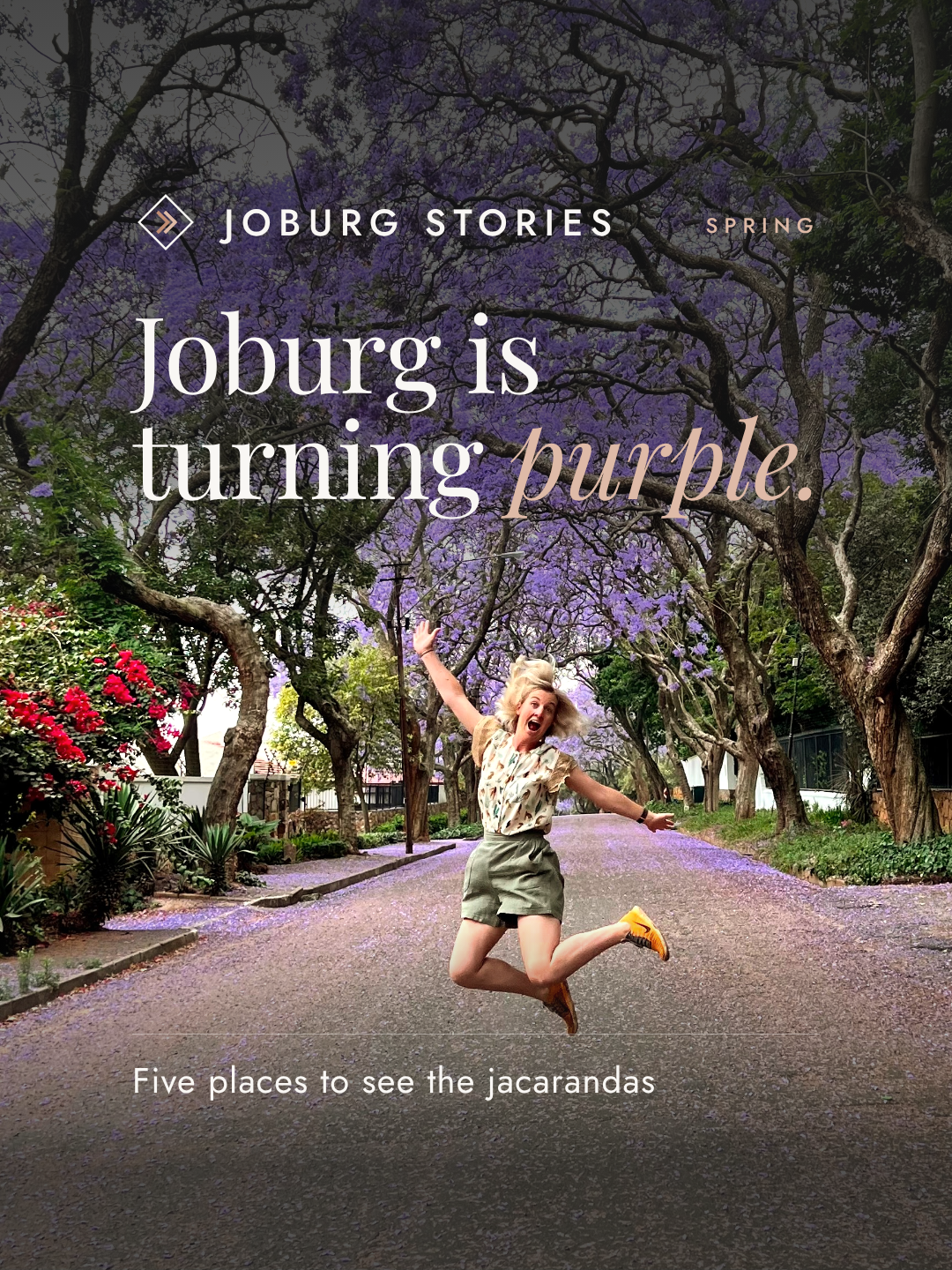
There are few signs that spring has arrived in Johannesburg quite like looking up one morning and realising the streets have turned purple.
Suddenly, the school run feels a little more special, familiar neighbourhoods look completely different, and everyone seems to be stopping for photographs beneath the jacaranda trees.
There is even an old student superstition that if a jacaranda flower falls on your head, you’ll pass your exams. You’ll often hear students joke that if the streets have already turned purple and you haven’t started revising, it might be too late!
The flowering season doesn’t last forever, so it’s worth making the most of it while you can. Whether you fancy a stroll through Rosebank, a picnic in Emmarentia or a day trip to Pretoria, here are some of our favourite ways to enjoy the jacarandas.
Updated 1 October 2026 · Hannah Pirnie, in Johannesburg since 2010 · First published 3 October 2019
When is the best time to see the jacarandas?
October is usually a good time to start looking, although the exact timing depends on the weather and rainfall each year. Pretoria can begin flowering earlier than Johannesburg, and the season can stretch from late September into November.
Our advice? Keep an eye on local photographs and social media for reports of trees coming into bloom, rather than planning around one particular weekend.
And remember, you don’t need to organise a big day out to enjoy them. Sometimes the best displays are on an ordinary residential street you happen to drive down on your way to somewhere else.
1. Where can you see jacarandas in Rosebank and Melrose?
Rosebank is a lovely place to start if you want to combine the jacarandas with a little exploring, coffee and lunch.
Park at Rosebank Mall or arrive via the Gautrain, then make your way towards Tyrwhitt Avenue. From there, explore the streets around Oxford Road and continue towards Keyes Avenue and the Keyes Art Mile.
You can then loop back along Jellicoe Avenue, looking out for the purple canopy overhead and the petals collecting on the pavements.
Allow yourself time to wander rather than rushing straight from one stop to the next. The streets around Rosebank and Melrose are particularly pretty when the trees are in full flower.
Make a morning of it: Finish with coffee, brunch or lunch around Rosebank and the Keyes Art Mile, where you can combine your jacaranda outing with galleries, restaurants and a little people-watching.
This is a good option if you have visitors staying with you, or if you’re still getting to know Johannesburg and want to explore somewhere beyond your usual routine.
2. Where can you picnic among the jacarandas in Emmarentia and Greenside?
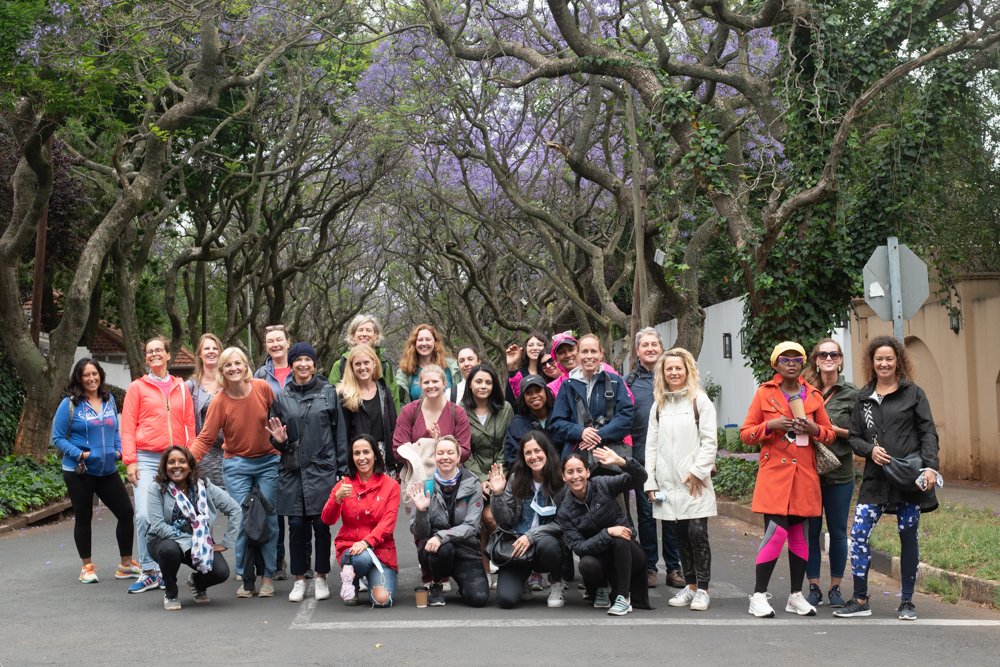
If you prefer a slower morning outdoors, head towards Emmarentia and the surrounding Greenside streets.
Start around the residential roads near the park and explore the streets towards Troon Road and Clovelly Road. When the jacarandas are flowering, this part of Joburg makes a beautiful backdrop for a gentle wander.
Afterwards, head back to Emmarentia Dam and Johannesburg Botanical Gardens for a picnic or a little time outside.
It’s a particularly good outing for families. Pack a blanket, bring something to eat and let the children burn off some energy while you enjoy the spring sunshine.
Our tip: Make an early start on a warm weekend, and check the park’s current access arrangements before you go. If you’re planning to walk the residential streets, stick to suitable pavements and use designated pedestrian crossings.
3.Why explore Parkview and Westcliff in jacaranda season?
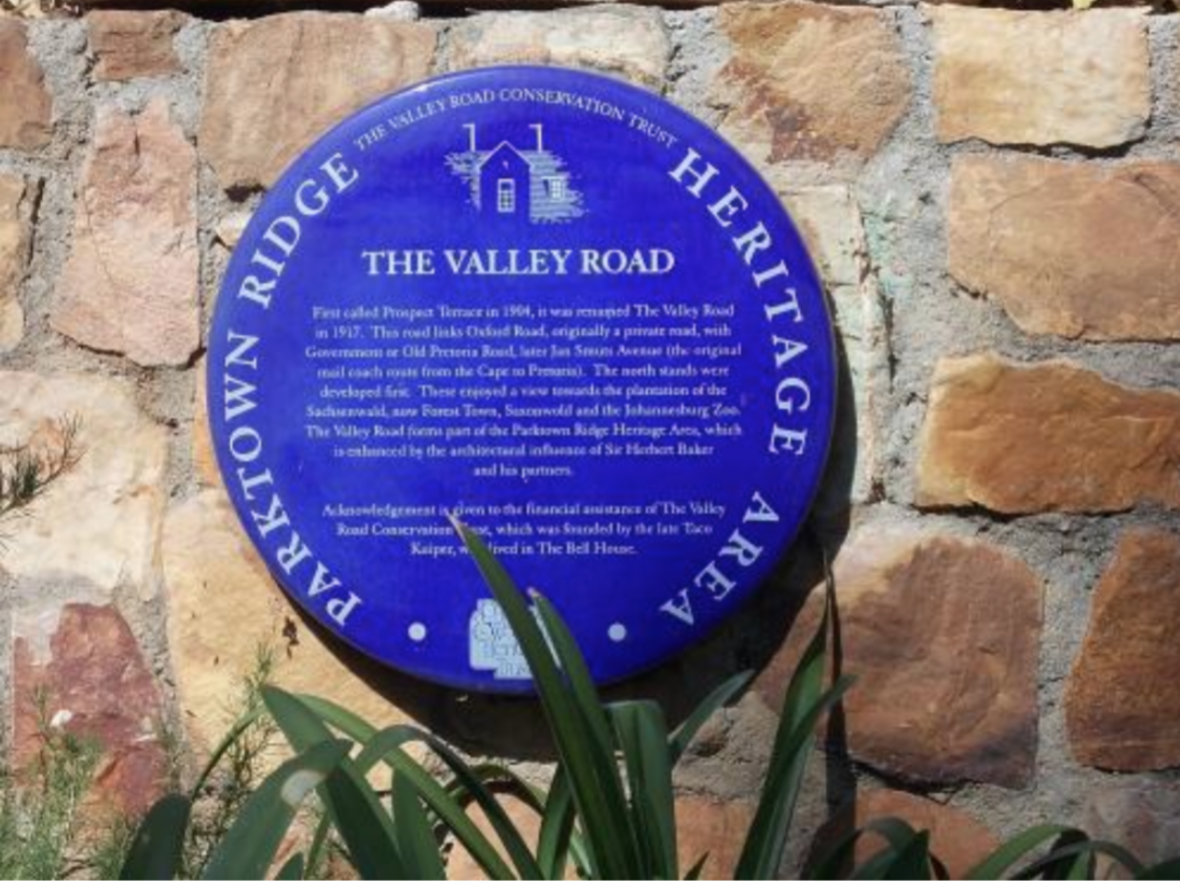
For a combination of beautiful streets, old Johannesburg architecture and a rewarding view, spend some time exploring Parkview and Westcliff.
These established neighbourhoods have plenty of character, from older homes and mature gardens to leafy streets that are particularly lovely in spring.
You can take a leisurely drive through Parkview before heading towards the Westcliff Steps on Crescent Drive. If you’re feeling energetic, climb the approximately 210 steps to take in the view across Johannesburg.
The steps are a local favourite for anyone wanting to add a bit of exercise to their morning. The climb is worth considering even if you aren’t visiting during jacaranda season, as the elevated view gives you a different perspective on the city.
Westcliff also has a fascinating architectural history. If you’d like to learn more about Johannesburg beyond its shopping centres and restaurants, look out for guided heritage walks organised by the Johannesburg Heritage Foundation.
Make a morning of it: Explore the neighbourhood, enjoy the views and then head to Izzy’s Coffee Shop in Forest Town, or Croft and Co in Parkview for a well-earned coffee or lunch.
4.Where can you see the jacarandas from above in Johannesburg?
If you’re looking for something a little more special, a meal or drink overlooking Johannesburg from Four Seasons Hotel The Westcliff is worth considering.
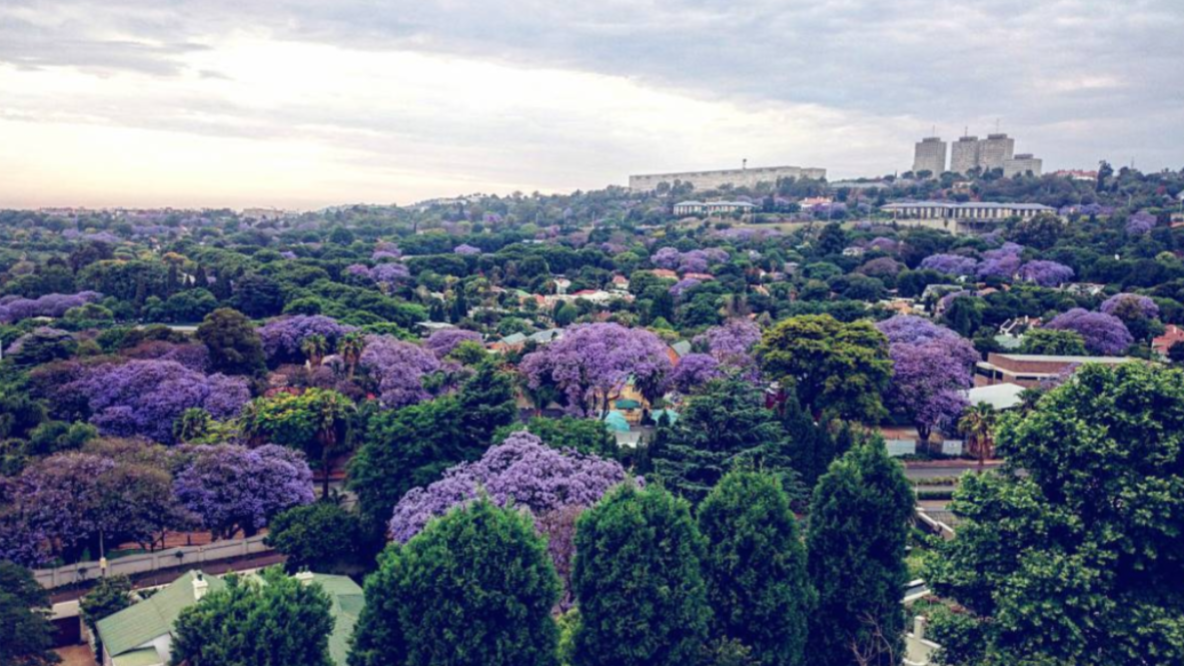
The hotel’s elevated position gives you wonderful views across the city, and spring is a particularly beautiful time to take them in.
This is less about following a specific jacaranda-lined street and more about appreciating the bigger picture: Johannesburg’s green canopy, the surrounding hills and the splashes of purple that appear across the city.
It’s a lovely option for a long lunch, a celebration or simply an excuse to explore a part of Joburg you may not visit very often.
Our tip: Book ahead, particularly for popular October weekends, and confirm the current restaurant and terrace arrangements before setting off.
5. Is Pretoria worth a day trip for the jacarandas?
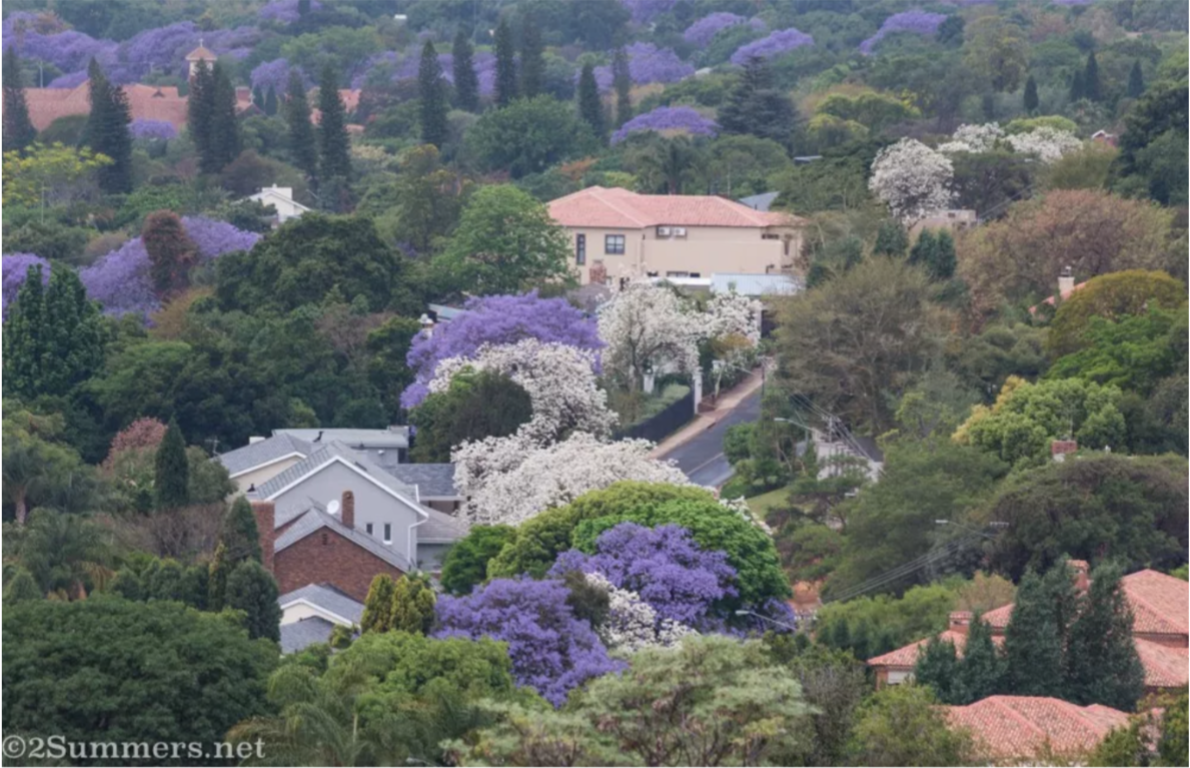
If there is one place that deserves a special mention during jacaranda season, it’s Pretoria.
The city is famous for its thousands of jacaranda trees, and when they flower together, whole stretches of the city seem to turn purple. It is well worth the drive from Johannesburg, especially if you have friends or family visiting.
The Brooklyn neighbourhood
Start with a drive through Brooklyn, where streets including Pienaar Street and Murray Street are known for their jacarandas.
Keep an eye out for Herbert Baker Street, which is particularly well known for its white jacarandas. These offer a lovely contrast to the more familiar purple blooms.
This is an outing best enjoyed at a relaxed pace. Plan a route before leaving, stop only where parking is permitted and avoid blocking residents’ driveways while taking photographs.
The Union Buildings
The Union Buildings are another excellent stop, combining beautiful architecture, landscaped gardens and views across Pretoria.
Take some time to explore the public areas around the buildings and Government Avenue, where the jacarandas add colour to the historic setting.
Access can be affected by official events or security arrangements, so check the current visitor information before you go.
Klapperkop Nature Reserve
For a different perspective, head towards Klapperkop, where elevated viewpoints offer a chance to appreciate the wider landscape.
Seeing the jacarandas from above gives you an idea of just how much of Pretoria is covered by these trees. It is a lovely option if you want to combine the spring scenery with a little time in nature.
Check current opening and access arrangements before setting off, and visit during daylight hours.
Make a day of it: Combine a drive through Brooklyn with a visit to the Union Buildings, then finish with lunch or coffee before heading back to Johannesburg.
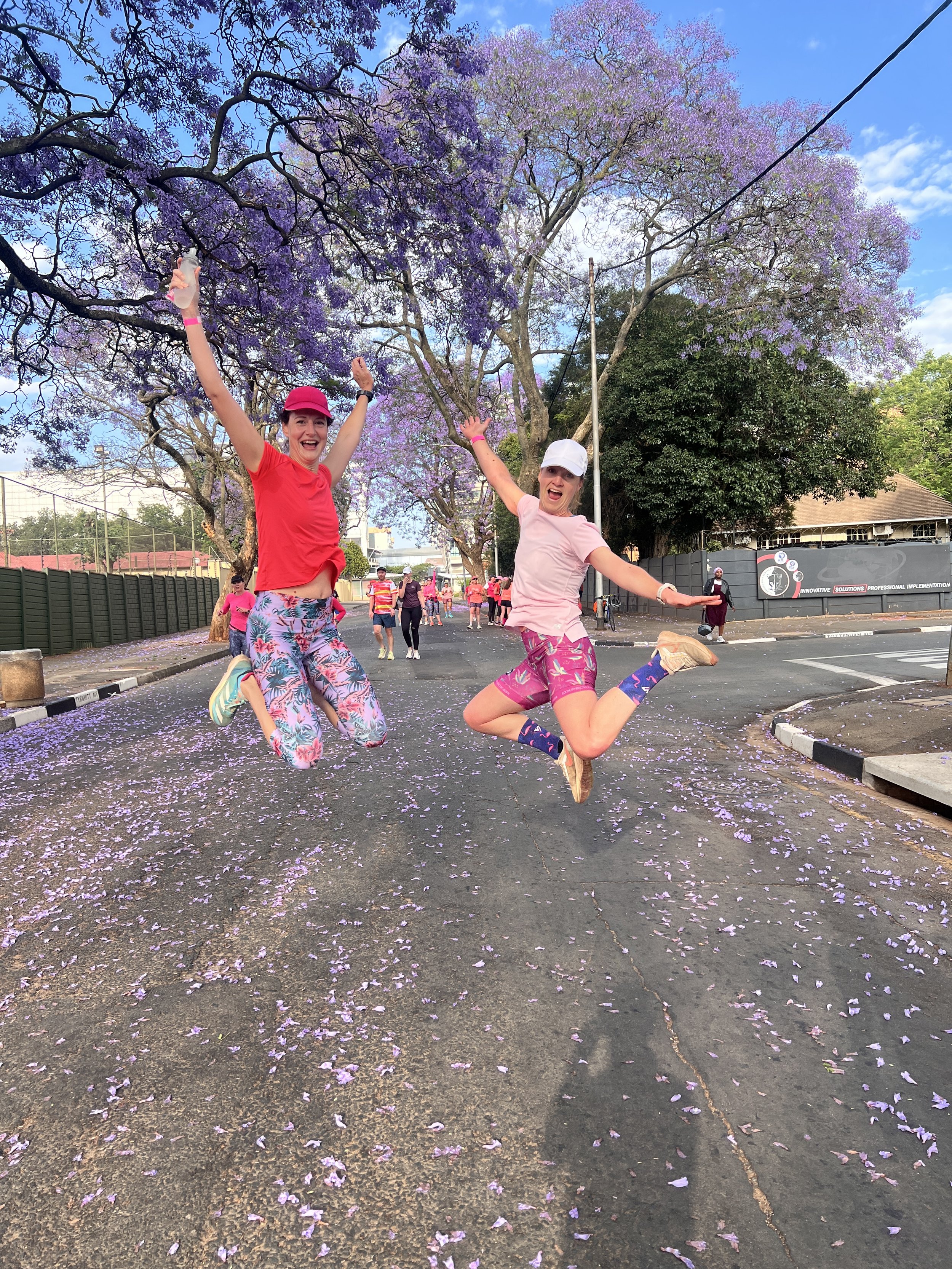
A few things to remember before you go
Check the timing. Jacarandas flower for a relatively short period, and the best dates vary each year. Look for recent photographs before planning a special outing.
Give yourself time. The pleasure is often in wandering through the streets rather than rushing between destinations.
Think about parking. These are often residential neighbourhoods, so park legally, respect driveways and avoid stopping in the road for photographs.
Keep your belongings secure. As with any Johannesburg outing, stay aware of your surroundings, keep valuables out of sight and choose busy, well-used areas for walks.
Look beyond the trees. Stop for coffee, explore a local gallery, visit a park or take in some of Johannesburg’s history while you’re there.
Still getting to know Johannesburg?
One of the things I love about living in Joburg is that there is always another neighbourhood to explore, another little café to discover and another reason to get out and enjoy the city.
Jacaranda season is a good reminder to look beyond your usual routine and enjoy the place you call home, whether you’ve lived here for years or have only just arrived.
Want to explore with others? Join Beyond Coffee, our WhatsApp group for international people calling Joburg home.
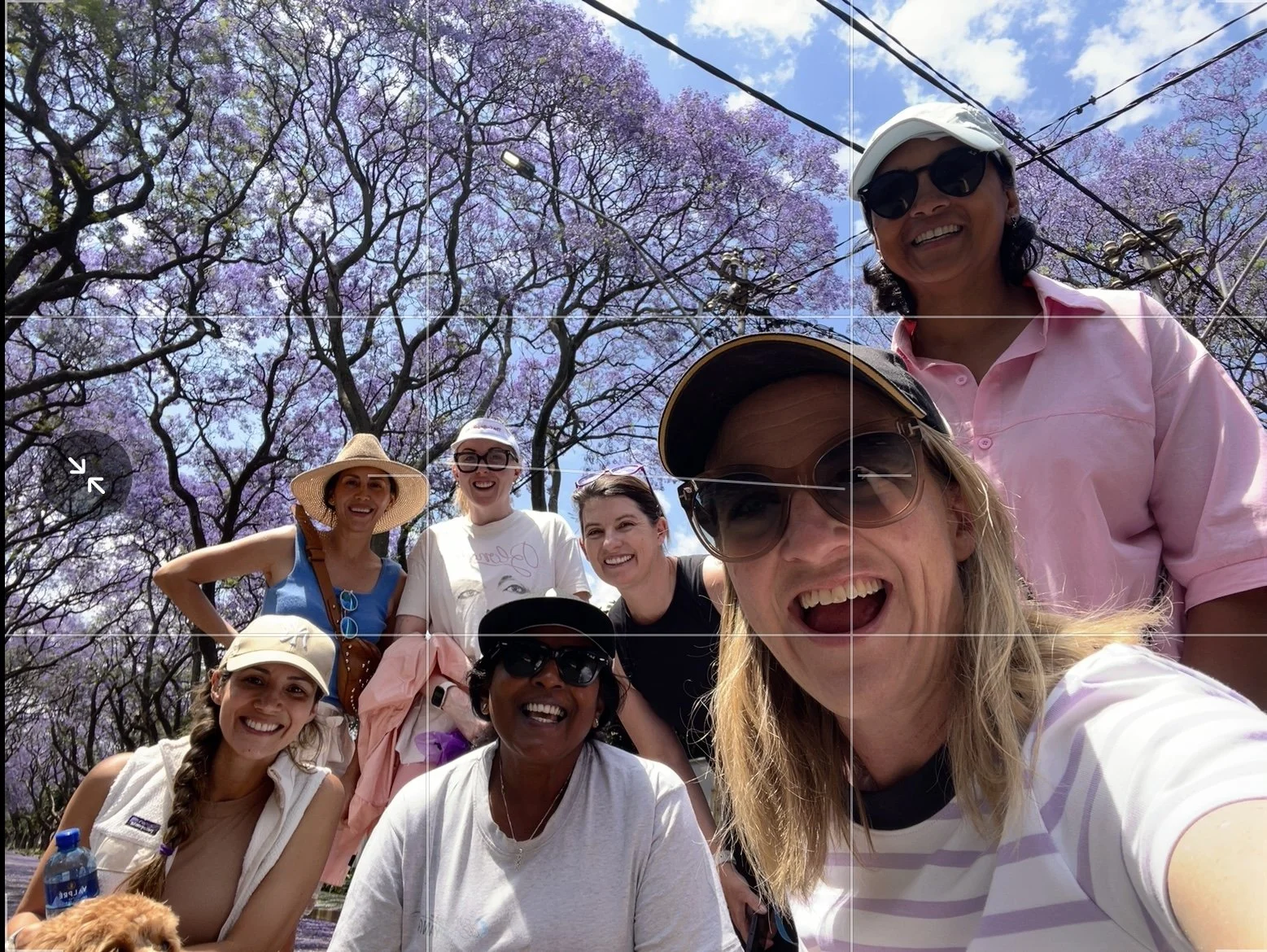




6 South African products to include in your weekly shop
One of the best things about living abroad is the variety of new products you get to try. Here are our family favourites, and ones we will have to sneak into our luggage when the time comes to leave South Africa.

Gourmet Greek Yoghurt

Small family business based in KZN, we first became addicted to their double cream yoghurt when the kids were small, but now its a firm favourite in our fridge!
Click here to source your local stockist. (Usually Spa or local fruit and veg shop).
Pauls Ice Cream

Originally I wasn't so keen to try Pauls Ice Cream since my husband brought it back with our pizza. What quality is the ice cream going to be when sold alongside pizza? How wrong I was!!! We adore Pauls. Be sure to visit their shop in Rosebank or pick up one of their tubs from one of the many local stockist all over Joburg.
THRUPPS GREEK MARINADE LAMB (AND THEIR BLUEBERRY MUFFINS)
Whenever I get frustrated by not being able to find something in Woolies, or other supermarkets I head to Thrupps, who make shopping a pleasure, the staff are well trained and will always help you to find what you are looking for!
We have lost count of the times we have braai their lamb, taken away on weekends, hosted family and friends. Its never fails to disappoint.
Fresh Orange Juice
You can pick up fresh orange juice from most Spa's and local fruit and veg shops, the only down side is it's 100% pure orange so doesn't keep for very long, but that doesn’t seem to be a problem in our house.
Mrs Balls

This wouldn’t be a South Africa food blog without including Mrs Balls, who needs tomato sauce when you have this amazing Peach Chutney. It comes in a variety of favours even crisps / chips!
Its certainly a firm favourite in almost every South African household.
So those are our favourite items - what about you? What will you miss when the time comes to leave SA? What are your firm favourite food products in your fridge / cupboard?
South Africa has a vibrant entrepreneurial spirit, which you’ll notice everywhere, from people selling all kinds of things at traffic lights to the range of bespoke and handmade designer products that are now more easily available online than ever before.
With a lot of creative and entrepreneurial energy centred around Joburg and Cape Town, here are some of our favourites from each city (and there are certainly a lot more!).

JOBURG
1. Lulu And Marula
A business started up in Hyde Park alongside a career in advertising, Jesslyn Schlamm has created a range of handcrafted body products, all with a distinct focus on natural ingredients.
Try the Calming Balm for a relaxing transition into sleep.
2. Soy Lites
Soya candles are a popular alternative to overly scented and mass produced candles, and the range of Soy Lites are made right here in Melville.
Try the different range of scents to suit your mood.
Something similar: Also have a look at Melissa and Louise candles.
3. Saint D’Ici
A newly launched natural range of perfume, Saint D’Ici is made in Johannesburg, with scents sourced locally when possible, but with a range of other scents from around the world to complement the range.
Try the combination of the cedar and burnt orange natural scent for an uplifting, earthy feel.
4. Simon And Mary

A range of hats that has made wearing hats more accessible to the local market, Simon and Mary hats are handcrafted in Germiston and offer a variety of styles for both men and women.
5. Damn Good Looking
A handcrafted mirror making business evolved into a passion for screenprinting and textile design when Jennifer Bradley decided to handprint all the bags for the mirrors she sold, with the help of a family friend. Damn Good Looking now makes both mirrors and a range of patterned accessories.
Similar: Also have a look at the range of mirrors made by Dark Horse.
CAPE TOWN
5. Carrol Boyes
A household name in South Africa, Carrol Boyes started out as a range of pewter and stainless steel kitchen and homeware and has now evolved into an iconic South African brand of crockery and a variety of other lifestyle accessories.
Great for gifts and wedding presents!
6. Skinny La Minx
A popular textile designer, Skinny laMinx is regularly featured in local magazine and online editorials, and her recognisable pattern design has no doubt inspired another generation of textile entrepreneurs in South Africa.
Also have a look at local textile accessories design team Zana.

7. Kirsten Goss And Missibaba
A duo of creatives that complement each other, Kirsten Gossmakes beautiful statement jewellery and Missibaba a range of highly coveted, handmade leather handbags and accessories.
Look out for the range of quirky designs and styles at their Joburg store in Birdhaven.
8. Pichulik

With a range of similar products on the market, Pichulikkickstarted a revival of statement neckpieces, with a range of other jewellery on offer too.
Also look at: Henriette Botha
OTHER LOCAL PRODUCTS
9. Rain (Swellendam)
With locally sourced ingredients from Africa, and a focus on upliftment and skills development, Rain is a range of body and lifestyle products with a conscience. With a head office in the small town of Swellendam in the Western Cape, Rain now also has spas all over the country, and an office in the USA.
Try their signature foot treatment at one of their spas when you have the opportunity!
10. Jane Sews (Durban)
With a focus on sustainable design, Jane Sews make limited edition clothing and accessories, all of them with a story and a clear emphasis on conscience.

Planning a Children's Birthday Party in South Africa
Looking for help planning a birthday party in South Africa? Whether you are looking for child-friendly party venues, party suppliers, birthday cakes or something special, such as a magician or performer, we have you covered. In this mega list, we give you a wide list of resources that will make party planning a breeze. Keep reading! We cover ideas for Johannesburg area AND Cape Town!

Image by the amazing Zsuzsanna Fedak Photography
A Stress-Free Guide to Party Planning in South Africa
First things first, take a deep breath. We know how tough it can be to plan a child's birthday. When you are a long way from home, in a brand new country, without your usual support network, this task becomes even more stressful. To help you get started, we have put together a list of tips, resources and info that make party planning in South Africa as stress-free as possible. (Scroll down for Cape Town ideas!)
Birthday Party Suppliers in Joburg

Venues:
REEA Urban Farm (Braamfontein)
Johannesburg Country Club (Auckland Park)
Indaba Hotel (Fourways)
Bryanston Country Club (Sandton)
BOUNCE Trampoline Park Waterfall (Midrand/ Various)
Model Train Park / The Rand Society of Model Engineers -
AcroBranch Melrose (Melrose)
Jungle Joes Party Adventures (Bramley)
Avalanche (Fourways)
Gold Reef City (Ormonde)
Entertainers:
Smilemakers – wide range of entertainment options from magic to face painting
MonkeyMagic – making kids party dreams come true
Magic Circle Entertainment – magicians and illusionists
Facepaint Fanatix – balloon animals, face painting and more
Jumpees Jumping Castles Hire – jumping castles for hire
Baby Boffins – kids art lessons
Cakes:
Paul's Homemade Ice Cream Cakes (Parkhurst/ Rosebank - various)
Emily's Cakes (Observatory)
Inspired Cakes (Sandton)
Cake And Bake (Honeydew)

Decorations:
Flower Spot (Woodmead)
Westpack Lifestyle (Various Branches)
Kidz Cardz & Party Buckets (Alberton)
PartyNet (Edenvale)
Party Planners
Bash
Pudding and Pie (Nicky)
Count on Us

2. Birthday Party Suppliers in Cape Town
Venues
The River Club (Observatory)
The Play Shed (Pinelands)
Lasertag Cape Town (Various Locations)
The Blue Train Park (Mouille Point)
Ottery Barnyard (Ottery)
Clay Cafe (Hout Bay)
Wild Clover Farm (Stellenbosch)
Ratanga Junction (Century City)
Entertainers
Hip Hip Hooray - helium Balloons, jumping castles, parties, carnivals, events and more
Glendini – kids magic shows and more
Face Choice – face painting and other fun
Matt Gore - The Ginger Ninja – hilarious magic and entrainment shows
Rumble Grumble Parties – jumping castles for hire
Cakes
Freya's Speciality Cakes (Meadowridge)
Charly's Bakery (Zonnebloem)
The Velvet Cake Co. (CBD)
Sweetest Perfection Novelty Cakes and Cake Toppers (Kirstenhof)
Decorations
Funky Bananas Party Store (Brackenfell)
King Cake Party City (Various)
Party Planners
SA Kids On The Go
Whimsical Parties
Bazinga Parties
3. Party Pack Ideas
I really hate giving away meaningless party packs, full of additional sugar, and more plastic, but its hard to think of alternatives. Here are a few suggestions, but I would love to know if you have any ideas?

Balloons with sweets at the bottom
Play-dough
Lego pieces
CD of favourite music
Biscuits (animal or themed)
Glow sticks
Mini puzzles
Small books
Have a specific question? Or need advice on a party for a certain age, come and ask for feedback inside our Moving to South Africa Facebook Group.

Where To Go On Holiday In South Africa
Planning a holiday is essential, and you’ll need to do so in advance in South Africa. South Africans love to travel and explore, so the good destinations get booked well in advance of the holiday times, and the peak holidays may be crowded at the popular sites. Seeing and enjoying this beautiful country will bring you experiences that will last a lifetime. Jump on board!

When Will You Travel?
For those with school-going children, go here for a printable school calendar! HOWEVER you must check with your school for exact dates. Public and private schools often differ in their holiday schedules.
Since 1994, South Africa has adopted new structures in so many ways, and one of them is incorporation of new holidays. Here is a list of some holidays that you’ll uniquely celebrate here. We will discuss these further in our monthly emails or on our Facebook Group!
Unique South African Holidays
21 March - Human Rights Day, remembering the Sharpeville Massacre
27 April - Freedom Day, remembering the first democratic elections in 1994
16 June - Youth Day, remembering the Soweto Uprising of 1976
9 August - National Women’s Day, a day thousands of women in 1956 marched to petition the extension of pass laws to women
24 September - Heritage Day
16 December - Day of Reconciliation, previously Dingane’s Day, this is a re-appropriation of the rememberance of the Battle of Blood River, which was traditionally celebrated by Afrikaners as a day of victory against Dingane’s Zulu army. For more, visit the Voortrekker Monument in Pretoria.
Where Would You Like To Go?
South Africa is divided into nine provinces, Gauteng (Johannesburg’s province) is located just above the middle. South Africa has seven different terrestrial biomes, or types of dominant vegetation, which can influence your choice of holiday. Do you want a beach holiday with whale watching? Mountain holiday? Wine and art scene holiday? Or a desert adventure to see the Namaqualand daisies of the Succulent Karoo?
Especially if you live here, it is pretty simple to organize your own holiday, but there are loads of local tour guides available to help visitors and locals alike. Sometimes opting to pay a bit extra for a guide is welcome when you have limited time to see things, have no time to look for the best deals, are trying to organize a group of visitors, or are unsure about your safety precautions. Local guides are more than welcome to show you around, even for a city tour where you already live!
Looking for Accommodation?
Portfolio Collection (for more upmarket guesthouses and accommodation)
LekkeSlaap (opt for English if you don’t speak Afrikaans!)
But That’s Not All!
Swaziland and Lesotho: Two landlocked countries in South Africa, Lesotho offers mountainous adventures while Swaziland is known for its glass-making industry and game reserves. The Sani pass in Lesotho is one of the most beautiful places I have ever been, but be sure to be in a 4x4 car.
Victoria Falls: Considered to be one of the main energy centres of the world, it’s been said that you haven’t been to Africa unless you’ve been to “Vic” Falls.
Madagascar: A bit more off the beaten track, Madagascar’s tourism infrastructure is largely underdeveloped, but there are resorts at places like Nosy Be and also some more rustic accommodation options for those looking for more of an adventure.
Mozambique: The roads from Johannesburg all the way up to Vilanculos is tarred and easy to navigate on a self-drive holiday. It’s best to have a 4x4 if you intend on exploring more rural areas. Otherwise you can fly to Pemba, Inhambane, and Maputo, depending on where you want to go. Popular tourist destinations are Maputo, Tofo, Vilanculos, Ponto Do Ouro, Ponta Malongane and luxury resorts all the way along the coast.
Namibia: Namibia is largely a desert, which means either renting your own 4x4 and taking a drive or joining a tour group on a desert safari. There are a number of luxury and budget accommodations available. The towns along the coast are also popular tourist destinations, fro example, Swakopmund.
Zanzibar: An island destination just off the coast of Tanzania, you can fly direct to Zanzibar from Joburg, and there are affordable package options available that include flights.
Mauritius: A hub for commerce and resort holidays, Mauritius is a popular luxury getaway destination for South Africans, especially for honeymoons.
Seychelles: An archipelago with islands of varying sizes, the Seychelles are also another luxury getaway destination for South Africans.
Other Ideas?
Slackpacking is a way to explore nature without the effort. Find out more about South Africa’s variety of slackpacking trails.
Some planning resources: http://www.openafricatravel.com/

Cost of Living and Getting Set Up in South Africa
We have already discussed Bank Accounts and Mobile Phones and Internet. This week we look at the general cost of living and setting up all your utilities.

AVERAGE HOUSEHOLD BUDGET
Your monthly budget will depend largely on your lifestyle, and what sort of corporate package (if any) you are on. There is a brilliant comparison website Numbeo whereby you can type in your current city, and new destination to compare all the typical living costs.
But to give you a rough idea here is our average monthly budget.
There are some things such as security (R600 per month) and private School Fee's that you may not pay for back at home. However eating out, wine, and entertainment is much cheaper.
Rent (3 bed house) R30,000 - R70,000 per month
Electricity / Water/ Waste R3500
Healthcare (family of 5) around R4000- R8000 per month
School Fees R3,500 - R7,500 per child per month
Car / House Insurance R4000 per month
Petrol R2500 +/- (keep this in mind when choosing a place to live and daily distances travelled)
Food shopping R6500 +/- per month
Eating out and coffee (a very popular past time in Joburg) about R3500
Entertainment (events, cinema and live shows) R1200
Phone account (both landline and cellphone) R450 - R1500
Internet (Fixed landline and ISP or just fibre, depending on whether this is available) R950
Domestic Worker (depending on the contract, this can involve paying for airtime as well, as it’s common for home helpers to run out of airtime and this can make it very difficult to get in touch) R6500 +/-
Gardener R350 per day (1500 per month for 1 day a week)
TV R800 for DSTV, or if you have a smart TV use netflix
Gym R300 - R1500
Wine ……………….
In addition to the above, your car will be much higher cost, you can expect to pay at least R300,000 + South Africa imports of their cars, and they come along way - so they are very expensive. Its also good to remember there is a high import tax applied to most luxury goods, to most branded items are much more expensive to buy here.
UTILITIES
In most rental agreements, water is included, but if you don’t have a prepaid electricity meter, its best you ask for your electricity to be added to your monthly rental invoice, and your landlord can send you the meter reading so you can check it.
Refuse removal is also included in most rental agreements if you live in an apartment complex or housing estate. Note the day that refuse is removed in your area, and make sure your bin is out first thing in the morning, or you take your rubbish to the collective waste removal area in your apartment or housing complex.
Recycling still isn't that wide spread, some area's will pick up your paper, but recycling still tends to happen by people looking for work, and thus going through bins to collect your recycling and taking it to the relevant centres for you (they then get paid per bottle or container). We sort our recycling out and put it in a clear bag at the top of our bins. There is also a great organisation that is formalising this process by employing the same collection people to work directly for them - http://wholeearth.co.za/
POST OFFICE
The national postal service has come under fire recently for poor service delivery due to internal management issues, but while you can’t always rely on the post office 100%, it’s still functional and can help you with the following:
Local postage
International postage (although for speedy delivery it’s advisable to use a courier service like DHL, Aramex, PostNet, Dawn Wing or FedEx, even though these services will be more expensive. Note that when receiving an online shopping purchase from an international retailer you might need to pay import tax duties so take this into consideration when making the purchase)
Car license renewals
Paying for your TV license

Furthering Your Career Whilst Living in Joburg
Living in a new place is daunting, and sometimes wears on our confidence of who we are, and what we are capable of. Sometimes, to live the life you want you need a new purpose or new perspective. Here are some things for you to think about as you think about your time living in Joburg, whether it is temporary or permanent!

It is important to think how to create a weekly routine in your new life. It helps to give you the certainty and structure that we crave. Whether you are in full time employment or have time to fill, here are our suggestions on how you can gain new skills and further your career whilst living in Johannesburg.
VOLUNTEERING OR WORKING FOR AN NPO/NGO
In general, South Africa is a fairly advanced country when it comes to most kinds of technological and industrial development, but what you’ll find is that there is a glaring gap between those who have access to the direct benefits of this development and those who don’t.
As a visitor and expat, this economic divide can be very overwhelming and uncomfortable, but there is a lot that you can do to contribute to organisations that are working to build an economy that supports education, entrepreneurs, and the growth of small to medium businesses (SME’s).
As Johannesburg and Gauteng have the largest population density in the country, you’ll find no lack of opportunities to work with people if that is something you are interested in. As ad hoc volunteering is welcomed, but often not conducive to sustainable change, taking up a more extended position at a local or international NGO could be an option if you are looking to do something rewarding with your time in South Africa.
NGO Pulse is an online publication that gives a broad overview of the Non-Profit and Non-Governmental landscape in South Africa, and also lists available vacancies: http://www.ngopulse.org/
For Good is an online search engine that connects your skills and availability to current opportunities. https://www.forgood.co.za/
Contact an organisation that works in an area that you’re passionate about and ask about how to get involved. Volunteering is a big tourism industry in South Africa, which charges international visitors to take part in volunteer and internship programmes. You can sidestep paying to volunteer, unless this is affordable or something of interest to you (the main target market for these programmes are university students and recent graduates).
SETTING UP YOUR OWN BUSINESS
Unemployment is a huge problem in South Africa, and entrepreneurship is highly encouraged. Setting up your own business can be a great opportunity. If you choose to hire someone that could be added opportunity to pass on your skills to a local and help them grow their career!
Depending on your visa and what work you’re allowed to do, here are some ideas of growing industries in South Africa to consider:
eCOMMERCE PLATFORMS: with the success of online retailers like Yuppiechef, Superbalist and One Day Only, this industry is growing as people start to trust online retailers more and courier services become more efficient.
VIRTUAL ROLES: Virtual assistants are becoming more and more popular, and with increasing numbers of people starting up online businesses, support assistance is needed. This is most needed for administrative and marketing support, so it could be worthwhile investigating a role that suits your skills and needs, and which could also provide some flexibility.
EDUCATION: With an education system that is changing but has historically not served the majority of the population, especially in more rural areas, there is definitely a need for skills development and education in all areas, so investing your time in supporting an educational initiative could be very worthwhile.
Skills development is also a major component of Black Economic Empowerment (BEE), which aims to rectify the injustices of the past by prioritising the development of previously disadvantaged individuals.
It’s important to note that BEE has been introduced to bridge the gap created by historic lack of access to education and employment. Preference will always be given to locals with the relevant criteria, so keep this in mind when applying for a job as a foreigner.
Want to find out more or have questions on how to start your own business? We often run online webinars and meet up events to discuss the opportunities. Contact us with questions, or join the Portable Careers for Expats Facebook Group for regular updates or webinars!
TRADITIONAL JOBS
It’s not impossible to get a job in South Africa, especially if you have certain critical skills and speak different languages, but you will need to go through an extensive process to apply (see BEE note above).
Here are some popular job search websites:
Bizcommunity: http://www.bizcommunity.com
Career24: http://www.careers24.com/
Career Junction: https://www.careerjunction.co.za/
It’s more old school, but also keep an eye out for listings in local newspapers… as you never know! Noticeboards at supermarkets or community centres also post job listings.Check out…
The Rosebank Killarney Gazette
Sandton Chronicle
Randburg Sun
Networking
Using your network has a huge influence on finding a job. Make use of social media pages and groups! Join groups like LinkedIn and update your profile to showcase your personal story and brand! With more online networking in South Africa than ever before, it can also be helpful to join a local organisation or group to meet people and discover all kinds of opportunities.
Internations Johannesburg
MeetUp.com
Moving to South Africa (Run by Translating Me!)
Or join a CO-WORKING SPACE to have opportunity to rub elbows with other entrepreneurs! There are co-working spaces all over the metro area, and some actively encourage networking. Find a space near you at this site.
If you speak a foreign language, want to learn one, or are interested in expanding your international network, here is a list of organizations in the area at Expatica.com.
NOT THE RIGHT VISA?
If you have a Visitor Visa and are unable to work locally, you might consider working remotely. Here is a post we put together: Careers to Start From Home.
Or find inspiration on our Pinterest board here.
THE MAIN POINT IS…
Don’t let a lack of confidence or the wrong visa make you think you need to put your life on hold. You can further your career and professional development in all kinds of ways. Online tools are getting more accessible every year- making opportunities to study, work, learn, network, and use your skills! Alternatively, there’s nothing wrong in choosing to enjoy your new expat life and focus on your family, traveling, and learning about South Africa. Just be sure to take care of yourself and your needs at the same time!
Make sure you join our Portable Careers for Expats Facebook Group, or reach out to us directly if you have any questions!
To read more about how to find your “Sparkle”,
continue on our Translating Me blog:
Staying Relevant Whilst On Your Career Break.

Renting or Buying a House in Johannesburg
Is it best to rent or to buy when moving to South Africa? We give you a run down of the variety of property choices here in Johannesburg…
Many expats choose to live in the northern suburbs of the city (Dainfern, Fourways, Cedar Lakes) due to its close proximity to international schools and its many security estates, which provide a convenient way of living. It’s also more recently developed part of the city, so all properties are newer with a wide variety of styles.
Before you choose to follow the usual expat trail, it’s worth investigating some of the other areas in the massive city of Johannesburg, which might (or might not) fit your family’s lifestyle. (See Where to Live in Joburg)
For expats who will be staying for a limited time, it’s more advisable to rent. Those looking to stay for longer could investigate buying a house, but note that the South African Rand is one of the most volatile currencies in the world, so you may not want to bring in a large sum of money.
Whether you choose to rent or buy, there are a number of different home types to choose from:
Free-standing home in a suburb: Freestanding homes will give you more privacy and space, but will also require maintenance and investment into security, for example an electric fence, alarm and voice/camera intercom for visitors. Generally houses in the Parks area are free standing.
Security village / Estate: A popular option, a security complex will offer residents individual homes within a gated community, often with shared leisure facilities (golf course, tennis courts, etc.) and strict visitor entry/exit criteria at the gate. Big estates are mainly based in the far north of the city in and around Fourways.
Townhouse / Cluster homes in a complex: Townhouses are split level homes that are larger than an apartment and typically have a small garden or play area. Cluster homes are smaller to estates but are clustered with 3 - 6 other homes behind guarded entrance. There may or may not be shared facilities, but the community is much smaller and compact. You’ll find these in Bryanston, Hyde Park and a few dotted around the Parks.
Apartment in a complex: With the growth of the city, apartments are now popular and widely available. Newer complexes are typically oriented for 1-2 bedroom apartments. Newer developments are in Sandton, Rosebank, Melrose Arch. Apartment complexes in older, more established parts of the city such as Killarney, Parkview, or Illovo can be larger around 3 bedrooms.
THINGS TO CONSIDER BEFORE SEARCHING ONLINE
LOCATION & TRAFFIC
Northern suburbs are notoriously gridlocked during peak hours (approximately 7-9am and 4-6pm). Traffic can also be worse in the mornings if you live near to a school, university, or highway on ramp.
This is because business and residential expansion in the Northern suburbs has been rapid, without planning or expansion of the road network, which originally served a farming community. To get around this, live close to your office or school (See school listings here), or consider living near a Gautrain station.
Main highways (the M1 and N1) can be backed up from accidents or road blocks regularly-at any hour. Always factor in extra travel time when needing to drive on the highway. Apps like Google Maps and Waze can help you to figure out alternate routes.
SIZE
Houses can be a lot bigger than you might be used to and gardens will typically be bigger. The amount of space you are comfortable in can influence where you’ll choose to live, as some suburbs and security complexes have more spacious homes than others.
When looking for a house you’ll also need to factor in whether you’re going to get a permanent domestic worker and if they will stay with you on the property. If so, consider the space available for them with a separate entrance and bathroom.
CLIMATE
Johannesburg has particularly mild and sunny weather, so having a covered patio and outdoor space/garden to take advantage of the weather will make your life very enjoyable. A South African will also make sure to tell you to have adequate outdoor space for your braai (barbeque), which typically is a wood fired or charcoal grill often built into your patio design. Gas barbeques are also becoming more popular.
A swimming pool is very common and can be a wonderful addition in summer, but does require maintenance. Hiring a gardener or pool service can help with maintenance.
NOTE: Check the orientation of your home to make sure it is North-facing to take advantage of the movement of the sun in the southern hemisphere. Houses that face in another direction can be terribly cold in winter.
COST
Rental cost may also depend on whether or not the house is furnished, which might be a more convenient option, but are not as available. Most houses come unfurnished. Below are general prices per month.
Dainfern / Estate Living (3 bed R35,000 - R70,000)
Melrose Arch / Sandton 1/2 Bed Apartment R25,000 - R50,000
Cluster Home (Hyde Park / Sandringham/ Bryanston) R30,000 - R70,000
Free Standing in the Parks 3/5 bed R30,000 - R70,000
For a broad overview of the cost of living in Johannesburg read more here: https://www.expatistan.com/cost-of-living/johannesburg
HOW TO GET STARTED
There are a number of different property websites in South Africa, here are the most popular:
Property24: http://www.privateproperty.co.za/to-rent/gauteng/johannesburg/33
Private Property: https://www.property24.com/to-rent/johannesburg/gauteng/100
Once you have an idea of the type of property you are looking for, get in touch and we will keep an eye out for you. We would love to show you around the various neighbourhoods, and help show you a range of options. Click on the photo below to tell us more about you!

Estate Agents
Relocation agents will work with estate agents. Feel free to contact agents directly, you’ll see advertisements all over the city!
Pam Golding
Jawitz
Chas Everitt
Sothebys
Vered
Firzt
Its best to call or set up an appointment in person, and get them to show you around!
Find out more: https://www.property24.com/estate-agencies
NOTE: Even when you’ve made a signed offer or lease application, don’t think that an offer is a guarantee! A landlord or seller can refuse an offer at the last minute so be sure to factor this in when looking for a place and making arrangements for furniture transportation, etc.
TIPS
Visit the estate agent and go through the lease in detail and make sure you understand every single point before signing.
Understand what is your responsibility to maintain and what is the landlord’s responsibility.
Find out what utilities are included in the rent, and if possible, organise a pre-paid electricity meter as this will help you manage your electricity bill a lot more easily, especially in winter when you will be using a lot of electrical appliances to keep warm!
Include in your monthly budget how much help you’ll need to maintain the house and garden, or added estate levies!
Health Care Options in South Africa

South Africa has some of the most well-trained doctors and medical professionals in the world, but unfortunately, while you’ll definitely find adequate care in many private facilities, most public healthcare in the country is unfortunately understaffed and under-resourced.
This means that you’ll need to set up a healthcare investment such as medical aid or a hospital plan to make use of private, and more expensive, medical facilities.
In general, medical aid schemes offer three kinds of plans:
Comprehensive: These plans cover all medical expenses, including routine visits to a health professional.
Network: A network plan is more affordable, but will mean that you can only make use of certain medical service providers which are part of the scheme’s network, which will require research on your part, to make sure that you can be reimbursed.
Hospital Plans: These plans generally cover only medical emergencies and planned hospital visits/procedures, and it’s advisable to take out an additional gap cover policy to make up for the potential shortfall between what your medical aid will cover and the actual cost.
Some professional industries offer their own medical aid packages, for example ProfMed for professionals with certain qualification criteria, GEMS for government employees and CAMAF for Chartered Accounts. Depending on what industry you work in, there may be a particular medical scheme that would work better for you, but this will be a matter of research and finding out what’s available to you specifically.
TOP HEALTHCARE PACKAGES:
While local packages might be more affordable, there are global health plan options for expats who move regularly, and travel frequently, some of the global programmes are run in conjunction with a local company:
BUPA Global Health Insurance
CIGNA Coverage in Africa
LOCAL OPTIONS
DISCOVERY: One of the most common local options is Discovery, which you’ll notice advertising for in many places as they offer a range of benefits, from discounts and rewards programmes at gyms, at the cinema and when purchasing flights online from certain airline companies. (Be aware that with many Discovery packages, you will only be able to make use of specific service providers so do your research before visiting a medical professional/facility to make sure that you will be reimbursed for your claim)
Other local options include:
BEST MED
BONITAS
FEDHEALTH
MEDIHELP
MOMENTUM
Great tool to use to compare options: Hippo
GENERAL TIPS ON MEDICAL AID
In many cases, be prepared to pay upfront and then claim back from your medical aid, or expect to do research on which specific doctor or hospital to use as some medical aids are very specific about which services they approve. When paying for anything, you’ll be asked if it will go on Medical Aid or Cash. If you plan on making a claim to your insurance provider for the expense, answer “cash”.
For intensive procedures, it’s advisable to get approval from your medical aid upfront, to avoid any unanticipated costs down the line, as claiming back from medical aid can be a lengthy process. Always be sure to get a detailed receipt.
NOTE: Dentists and orthodontics sometimes aren’t covered by medical aid.
GENERAL HEALTHCARE
General regular immunizations are: Hepatitis B, DTP, MMR, and Polio
You might also require a Yellow fever vaccination required when visiting certain African and South American countries. This is valid for 10 years, and you may need to show proof of vaccinations when entering South Africa from a yellow fever area, its a good idea to scan and save a copy for your records.
Some Diseases To Be Aware Of:
HIV/AIDS: Although massive strides have been made to prevent HIV infection, with the distribution of Antiretroviral medication and free testing, HIV/Aids is still an issue in all Sub-Saharan countries, and there is still a lot of social stigma around the disease that often complicates and delays treatment.
As always, preventing HIV infection and STDs means having protected sex and being responsible.
The topic of HIV/Aids will be something to consider, especially in the workplace and when dealing with staff, as HIV positive employees are not obliged to reveal their status by law. If you are employing staff on your property, odds are they will have HIV. It is good practice to send any care givers on a first aid course which will cover HIV along with all the other conditions. Please note it is very hard to contract the disease- there has to be blood to blood exchange, or sexual activity. HIV treatment has come along way and now with the right medication and care you can carry on living a normal life. It is important as employers to support where we can if you notice a sudden weight loss, or frequent illness. Do seek out further help and advice if you have questions. At least supply healthy food and financial support for medication. For further information see: The Right To Care.
Other diseases to be aware of are tick-bite fever and malaria, which you can get when travelling to the bush, but being aware of high risk areas and taking the necessary precautions should prevent you from getting these.
MEDICATION
A “drug store” or pharmacy is called a chemist in South Africa, and there are individual pharmacists who run stores in some parts of the city, but these have largely been taken over by nationwide franchises over the last decade.
Here are the most popular ones, which also offer basic medical screenings and clinic facilities, and also sell food and homeware items:
NOTE: In stores like Dischem you will obliged to put prescription medication into a cage-like contraption after you get it from the medications counter, and while you make your way to pay at the main checkout till. Once you register your family at a location, try to use that same place repeatedly!
EMERGENCIES
Be aware that if you don’t have medical aid, an ambulance will take you straight to a public hospital and might have to wait for treatment. Its a good idea to know which hospital you would like to be taken to, plus have thought through emergency plan if you are absent and your child gets sick (we have a list of emergency numbers on the fridge, and have a process whereby if there isn't anyone present who can drive, then press our security panic button which is linked to medical response team, these guys drive around the area and so will be quickest to arrive).
Ambulance
ER24 084 124
Netcare 911 082 911
Hatzollah is a private not for profit organisation that services the Johannesburg Jewish community: 0860 100 101
Police/Fire
From home phone 10111
From mobile 112
National Poison Control
0861 555 777
FINDING A GOOD LOCAL DOCTOR
For routine medical checkups, visit a General Practitioner, or GP, as South Africans call it. It is a good idea to get set up with a GP when first arriving to introduce yourself and your family. Do your research online to find a doctor, or visit your nearest hospital or clinic. Your medical aid will also be able to give you a list of doctors and medical practitioners.
If you have children, you will need to register them with a Paediatrician, and its also advisable to register with a gynaecologist.
Ask for recommendations online on expat groups or a residental/neighborhood group. Some online medical resources include:
http://www.intercare.co.za/
https://www.recomed.co.za/
HOSPITALS
South Africa has a number of public hospitals, some which are world renowned and serve as training facilities for local medical students. Not all hospitals will have an emergency section, referred to as “casualty” by doctors.
For your own information, here are some of the most well-known public hospitals in Johannesburg:
Chris Hani Baragwanath Hospital (Soweto)
Charlotte Maxeke Academic Hospital (previously known as Johannesburg General Hospital or “Joburg Gen”)
The main private hospitals that majority of expats use are Sandton MediClinic and Life Fourways Hospital, or the Netcare Hospitals (Sunninghill, Waterfall, etc.)

Everything You Need To Know About South African Visas
You won’t live in Joburg for long before you hear a horror story involving visas. The laws change regularly, and sometimes require you returning to your home country for 6-8 to process. This information is correct at time of publishing, however you should contact your immigration agency if you have one, or email us directly (hello@translatingme.org) with any questions.

There are three ways to legally reside in South Africa:
As a visitor
As a temporary resident
As a permanent resident
With a work permit
VISITOR VISAS
Visitor visas are valid in South Africa for 90 days, and many countries are exempt from having to apply for a visa in advance, although there have been many changes in the last year or two, so it’s best to double check with a South African embassy official in advance.
As an overall checklist, to visit South Africa you’ll need the following:
• A valid and acceptable passport or travel document for your intended stay that will not expire within three months
• At least two blank pages in your passport for endorsements
• A valid visa (If required from your country)
• Sufficient funds to pay for your day-to-day expenses during your stay
• A return or onward ticket
• Yellow fever certificates if your journey starts or passes through a yellow fever area in Africa or South America
NOTE: If you are traveling with minor children you will need to provide a certified unabridged birth certificate for each child, and if traveling without your spouse, you’ll also need to provide an certified affidavit from the missing parent. Click here to download a template affidavit form.
TEMPORARY RESIDENCE VISAS
If you would like to stay for more than 90 days, you’ll need to apply for a temporary residence visa.
One of the major changes to visa legislation over the past while is that you can’t apply for a temporary residence visa while in South Africa on a Visitors Visa. So, to stay legally in South Africa for longer than 90 days you’ll need to apply for this visa before you arrive in South Africa. (Though this has just been changed for visa exempt passport holders. Please check with your airline to confirm what you need!)
The list of temporary residence visas includes:
• Business visa
• Work permit/visa (the terms permit and visa are used interchangeably)
• Study visa
• Exchange visa
• Retired Person's' visa
• Relatives' visa
• Medical treatment visa
BUSINESS VISA
This is a visa for a foreign professional that wants to start their own business or would like to invest in a South African business. To qualify, you’ll need to invest R5 million into South Africa with funds that come from abroad.
Application Process for Business Visa
1. Submit an application for recommendation at the Department of Trade and Industry (DTI). This will be then be forwarded to the South African mission if the business is feasible and of national interest. You will be notified of this but won’t know if the recommendation was positive or negative.
2. The South African mission will then submit the notification in support of the business visa application, which will be approved or denied.
NOTE:
• A business visa can be extended from within South Africa.
• Annual conditions listed will need to be acted on annually if the visa is approved.
• A business visa holder can apply for permanent residence in South Africa at a VFS Centre immediately after the business visa is issued.
STUDY VISA
A study visa is required for any foreigner who would like to study in South Africa at any educational institution that is recognised by the Department of Education. If your child is attending a South African school they will need to have a Study Visa (from the year they turn 6 years).
VALIDITY: The study visa will be issued in line with the course of study at the chosen institution. The maximum period of time is 8 years for primary school and 6 years for secondary school.
MEDICAL AID: To qualify for a study visa the applicant will need to prove that they have adequate medical aid/insurance for the intended period of study and that this is recognised in South Africa.
ACCEPTANCE OR ENROLLMENT LETTER: You’ll need to provide an acceptance letter or enrollment letter from the chosen institution to apply for a study visa.
NOTE:
A study visa can be extended from within South Africa.
A study visa can be changed to a different visa from within South Africa if the study visa doesn’t have any conditions.
It is possible to apply for South African permanent residence on a study visa but certain conditions apply.
PERMANENT RESIDENCE
To be a permanent resident in South Africa you can get one of two visas:
• A direct-residence permit: You can only apply for this once you have been a temporary resident for 5 years (please note IntraCompany visas do not qualify).
• A residency-on-other-grounds-visa: this requires you to qualify for application. Read on to find out more.
A residency-on-other-grounds visa is more complicated, and communication around changes has unfortunately been unclear, but in general, you can only apply for this visa if:
• have an offer for permanent work in South Africa, or
• have exceptional skills and qualifications
• plan to set up a business in South Africa
• qualify as refugee
• qualify as retired person
• are financially independent
• are relatives of a South African citizen/permanent resident
WORK PERMITS
If you are NOT a permanent resident, and you would like to work in South Africa, you will need to apply for a work permit. This includes the following three visa categories:
• Intra-company-transfer work permit
• General work permit
• Critical skills work permit
INTRA-COMPANY TRANSFER
If you are employed by an international company that operates in South Africa, or an affiliated company, for a minimum of 6 months, you can qualify for an intra-company transfer work visa.
You can’t extend this visa
You don’t qualify for permanent residence with this visa.
An intra-company transfer work visa is only issued for a maximum of 4 years.
A skills transfer plan is a very important support document when applying for an intra-company work visa, that needs to be implemented for each position at the company in South Africa
GENERAL WORK VISA
This visa applies to all applicants who don’t qualify for any critical skills, as listed in the Government Gazette. This will generally require you to have a sponsor who can support your application for employment.
APPLICATION PROCESS
1. Apply for a recommendation from the Department of Labour. The Department of Labour will then forward the recommendation to the South African mission (note that this can take a while). Processing at a South African mission can take between 10 to 60 working days.
2. One the applicant has been notified that the mission has received the recommendation, the applicant can then submit the application.
NOTE:
• You will not be granted a visa if there is a South African resident with the same qualifications and experience that can fill the position
• The application for a recommendation at the Department of Labour can take 2 - 6 months to be processed. The application can only be submitted once the notification from the Department of Labour is received
• A general work visa is issued for a period of 5 years or in line with the employment contract
• You can apply for permanent residence after a period of 5 years of continuous employment
ALTERNATIVE PROCESS
In the event that an applicant’s employer can provide a strong motivation, an application for a waiver from certain requirements can be submitted to the South African mission instead of the application for a recommendation at the Department of Labour.
This application for a waiver will be processed by the Department of Home Affairs, which can take 3-6 months. The South African mission will be notified on the outcome of the waiver application, and your employer will be given notification of the finalisation of the application, which will be submitted by Home Affairs in support of the general visa application.
CRITICAL SKILLS VISA
You can qualify for this visa if you have one of the critical skills listed in the Government Gazette. Click HERE for full list.
APPLICATION PROCESS
1. Apply for an evaluation certificate from the South African Qualifications Authority (SAQA), which will evaluate the foreign qualification according to the standards in South Africa. The processing period at the South African Qualifications Authority is 15 working days, provided that the verification from the Educational Institution abroad can be done within the given timeframe. The verification from abroad can cause a very long delay. (Please note they often require a breakdown of your university degree scores)
2. Register at the relevant professional body recognised by SAQA. This will provide the necessary letter of confirmation from the relevant professional body that is recognised by SAQA or relevant Government Department. The processing period at the various professional bodies are between 10 - 60 working days.
NOTE:
• Critical skills work visas are issued for 5 years or in line with the employment contract
• You can extend this visa from within South Africa
• If you change your employer, you’ll need to submit an application at a VFS Centre in South Africa
• Once you have gained Critical skill visa you qualify to apply for permanent residence
FOR ALL VISA APPLICATIONS
You will need the following to apply for a visa/permit:
• Two recent passport photographs
• A passport valid for 6 months after you intend to leave South Africa*
• A medical report signed and stamped by a doctor to prove that you aren’t a medical risk
• A chest X-ray and report to prove that you do not have TB (not required for children or pregnant women)
• Your full birth certificate
• Police clearance certificates for applicants who are 18 years and older, from all countries where they have for more than one year (Applying for this in itself can take a while).
• Completed application form
• Yellow fever certificate if you have been traveling or have passed through a high-risk area
NOTE:
• You will need to visit the South African mission or VFS in person to submit your application.
• You will need to pay the prescribed fee in the prescribed format when visiting the South African mission to submit the application.
• All supporting documentation must be in English or translated into English by a sworn translator.
• Supporting documentation is only valid for 6 months
APPLYING FOR A WORK VISA AS AN ACCOMPANYING SPOUSE ON A VALID WORK VISA:
It is possible to apply for a work visa as an accompanying spouse on a valid work visa, provided that the spouse qualifies for a suitable work visa and that there is no condition on the accompanying spouse visa. For more information on various work options available to "accompanying spouses” go to TranslatingMe.org, Portable Careers for Expats Facebook Group, or join us at a meet-up near you!
GENERAL NOTES:
All personal documentation in support of an application should be available in South Africa at all times. This includes:
• Qualifications
• academic transcripts
• unabridged marriage certificates
• unabridged birth certificates
• divorce decrees
• medical aid that is recognised in South Africa
VISA RENEWALS
Start the renewal process early!
You can renew your visa from within South Africa (apart from Intra-Company Transfer), but take note that you need to wait for the renewal to be granted before you leave the country otherwise you won’t be able to re-enter. Check your passport expiration dates, and if you need to apply to transfer a valid permit to a new passport (Otherwise, the old passport with visas will need to be carried with you at all times along with the new one!)
IF YOU ARE FLAGGED AS UNDESIRABLE AT THE PORT OF ENTRY
A visa only shows that you have gone through the necessary rigmarole to legally enter and stay in a country, it does not guarantee entry. If you are caught for whatever reason, try to avoid them stamping you as “undesirable” - its a lengthly process to reverse.
You can apply to have an overstay uplifted electronically at the Department of Home Affairs office, but only with a strong motivation. The outcome will be received in an official electronic letter. If you have questions, please contact us!
The wonderful team at Immigration Boutique put together a great crib sheet outlining the various Visa options. Click Here to Download It.
At any time, join Moving to South Africa Facebook Group to ask a question or get advice in this process!
Good luck to you and your family!

Where Do Expat Families Actually Live in Johannesburg?
Expat families in Johannesburg cluster in five areas: the golf estates up north around Dainfern, Steyn City and Waterfall; the Bryanston, Morningside and Sandton belt near the business district; Rosebank for apartment living, the Parks, the older walkable suburbs between Sandton and town; and Maboneng and the inner city.
Choosing where to live was one of the first big decisions we faced, and it is still one of the questions international families ask me most often.
After years of living here and helping other families settle in, I have learnt that choosing a home in Johannesburg is about much more than bedrooms, bathrooms and a swimming pool. It is about the school run, your daily routine, the people around you and the kind of life you want to build here.
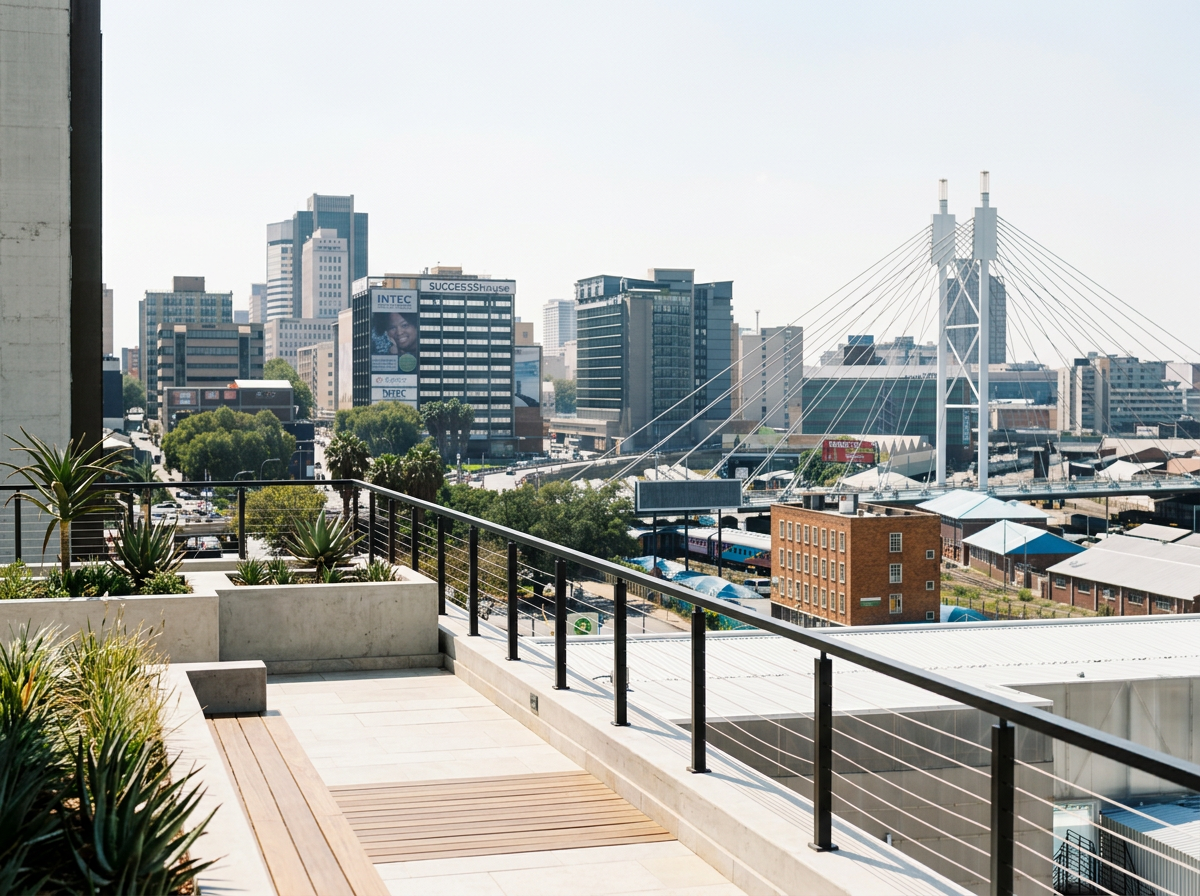

What are the five areas expat families choose between?
Johannesburg is a sprawling city, and the best place for your family will depend on where you need to be most days and how you want to live.
As a starting point, it helps to think about five broad areas: the northern estates, the Bryanston–Morningside–Sandton belt, Rosebank, the Parks and the inner city.
1. North Johannesburg: Dainfern, Fourways, Steyn City and Waterfall
If you picture a spacious family home, a garden, plenty of room for the children and a community of other international families, the northern estates are likely to be on your list.
Dainfern, Fourways Gardens, Cedar Lakes, Steyn City and Waterfall offer a range of secure estate living, with different property styles, facilities and lifestyles. Many families appreciate the sense of community, shared amenities and the convenience of having other newcomers around them.
For families arriving on a two- or three-year work assignment, this can be a comfortable way to settle in. There are established communities, plenty of family-sized homes and opportunities for children to make friends with others in a similar situation.
The trade-off is distance. Depending on your workplace, school and daily commitments, you could spend a significant amount of time in the car. Estate living can also feel a little removed from the wider city, particularly if you want to explore Johannesburg's independent shops, restaurants and neighbourhood life.
Best suited to: Families looking for space, shared facilities, a community of international residents and a more contained residential lifestyle.
2. Bryanston, Morningside and Sandton: central for work and family life

Sandton is Johannesburg's main business hub, so if your new job is based here, living nearby may make everyday life considerably easier.
The surrounding areas of Bryanston and Morningside offer a mix of freestanding homes, cluster developments, apartments and gated estates. There is plenty of choice, from larger family houses to lower-maintenance properties.
Bryanston is particularly worth exploring if you want a family home with a garden without necessarily living on a large estate. Parkmore is another option to consider if you would like a freestanding house and a more neighbourhood-focused feel, while River Club offers estate living nearby.
Morningside can work well for families who want to be close to Sandton and some of the international schools. Sandton itself offers apartments and cluster homes that may suit professionals who prefer less garden maintenance and a shorter journey to the office.
One thing to remember is that being geographically close to work does not always mean a quick commute. Traffic can be heavy, and when traffic signals fail, journeys can take considerably longer than expected.
Best suited to: Families working in or around Sandton who want a practical balance of home, school and work.
3. Rosebank: stylish, lock-up-and-go apartment living
If you would rather swap a large garden for a balcony, a good coffee shop downstairs and less time spent maintaining a property, Rosebank is well worth exploring.
Rosebank offers a more urban style of Johannesburg living, with modern apartment buildings, restaurants, cafés, shops and convenient access to the business districts of Rosebank and Sandton. It can be particularly appealing if you are relocating for work and want a home that is easy to manage, whether you are living alone, as a couple or with a smaller family.
The appeal is the lock-up-and-go lifestyle. You can choose an apartment in a managed building, enjoy having amenities close by and spend more of your weekends exploring the city rather than looking after a large property. For professionals who travel regularly, or families who prefer apartment living to a house with a garden and pool, this can be a very practical option.
Rosebank also offers a useful middle ground for people who want to feel connected to Johannesburg's restaurants, shopping and cultural life without living in the inner city.
As always, look at the individual building as well as the suburb. Check the security arrangements, parking, backup power and water provisions, levies, noise levels and the routes you will use most often. If you have children, consider school locations and the daily commute before committing to an apartment.
Best suited to: Professionals, couples and smaller families looking for convenient, lower-maintenance living, with restaurants, shops and everyday amenities close at hand.
4. The Parks: Parkhurst, Parkview, Parktown North and beyond
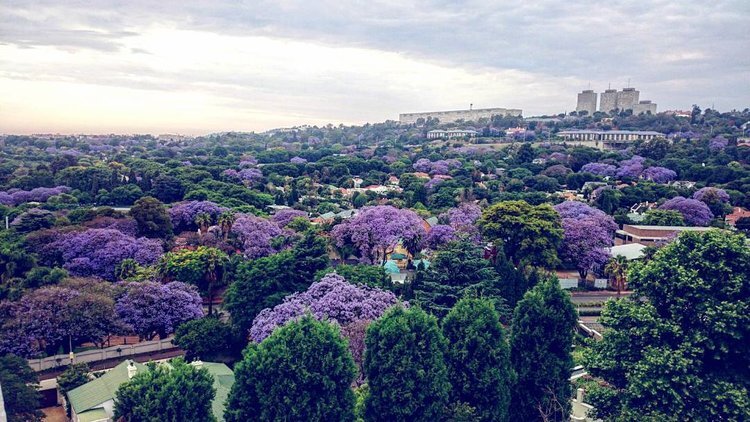
If you imagine Johannesburg as a collection of leafy neighbourhoods with independent coffee shops, local restaurants, established gardens and streets where people stop to chat, take a closer look at the Parks.
This group of older, established suburbs includes Parkhurst, Parktown North, Parkview, Parkwood, Greenside, Craighall Park, Saxonwold and Westcliff.
Each has its own personality. Some have lively high streets, others are quieter and more residential, and property styles range from characterful older houses to renovated family homes and modern developments.
Parkhurst is known for its village atmosphere and Fourth Avenue, with restaurants, independent shops and people out walking their dogs. Parkview has a strong family feel, with George Hay Park and a neighbourhood centre. Parktown North offers its own collection of restaurants and local businesses, while Westcliff is known for its older homes, larger properties and elevated views.
One of the things I love about these neighbourhoods is that they offer a different experience of Johannesburg. You can head out for a coffee, explore a local park, meet friends for lunch or become a regular at a favourite restaurant.
Come October, the jacarandas add a splash of purple to many streets, making this part of the city especially beautiful.
The Parks are not necessarily the easiest option for every newcomer. Finding the right property can take time, and your preferred school may influence which suburb makes the most sense. But if you want to feel connected to a local neighbourhood rather than living entirely within a residential estate, they are well worth exploring.
Best suited to: Families who value character, local businesses, green spaces, established communities and a more neighbourhood-based lifestyle.
5. Braamfontein and Maboneng: a more urban way of living
Not every international arrival is looking for a large family home and a garden.
Braamfontein and Maboneng offer a different perspective on Johannesburg, with apartments, creative spaces, galleries, restaurants and cultural venues. They appeal to people who enjoy an urban environment and want to explore the city's creative side.
These areas tend to attract a different mix of residents from the larger family estates, and they are less commonly the first choice for relocating families with school-age children.
That does not mean they should be overlooked. If you are moving alone, as a couple or as a professional who enjoys city living, they may be worth considering as part of a wider property search. As with any Johannesburg neighbourhood, it is important to assess the specific building, street, security arrangements and daily routes rather than making assumptions about an entire area.
Best suited to: Professionals, couples and those who prefer apartment living and an urban, creative atmosphere.
Should you live in a secure estate, a cluster home or a freestanding house?
This is one of the biggest decisions you will make when looking for a home in Johannesburg. There is no single right answer, and I would always encourage you to experience the options before deciding.
Estate living: convenience and community
Estate living can make the transition to Johannesburg feel more straightforward. Access is controlled, facilities may be close at hand, and children have opportunities to meet other families within the community.
For some families, the appeal is obvious. In Dainfern, for example, children can enjoy a more contained environment, with shared facilities and other families nearby. But estate living comes with its own practicalities. At busy times, even getting through the gate can take 15 minutes — something worth factoring into your daily routine if you have school drop-offs or a commute to manage.
Security is another important consideration. Estates offer managed access and security arrangements, but it is worth understanding exactly what is provided rather than assuming every estate offers the same level of protection.
The alternative is not necessarily compromising on security. In some freestanding neighbourhoods, residents rely on a combination of property-level security, neighbourhood networks and armed-response services. Hannah has heard examples of armed response arriving within two minutes, although response times vary and should never be treated as guaranteed.
The real question is which arrangement suits your family, your property and your everyday life.
Best suited to: Families who value shared facilities, a more contained residential environment and a ready-made community.
Freestanding homes: character and neighbourhood life
A freestanding house in an area such as Parkhurst or Parkview offers a different experience. You may have an established garden, a distinctive older property and a local high street nearby.
You are also more likely to encounter a broader mix of residents, from families who have lived in the area for years to students, young professionals and people who have recently moved to Johannesburg.
Of course, a freestanding home comes with its own responsibilities. Security arrangements, garden maintenance and general upkeep all need consideration, and the details vary from property to property.
Cluster homes: the middle ground
Cluster homes are often overlooked when people first start searching, but they can be an excellent compromise.
They typically offer a house-like layout with less garden to maintain and shared or managed security arrangements. Depending on the development, you may also benefit from a more convenient location than some of the larger estates.
For families who want a little more independence without taking on the full responsibilities of a freestanding property, a cluster home can be worth serious consideration.
What about security?
Security is understandably high on the list for anyone moving to Johannesburg. But I would be cautious about assuming that an estate is automatically the right answer, or that a freestanding house is necessarily the wrong one.
Look at the individual property, its security measures, the surrounding streets, access points and the arrangements in place for residents. Speak to people who live nearby and ask specific questions about their experience.
Community can make a real difference, too. Local residents' associations and neighbourhood WhatsApp groups may help people share information and respond to concerns. They are not a substitute for appropriate security measures, but they can be a valuable part of feeling connected to your area.
The important thing is to make an informed decision based on the property and neighbourhood you are considering, rather than choosing an entire lifestyle out of fear.
How much should your children's school influence where you live?
If you are moving to Johannesburg with children, I would put school location near the top of your decision-making list.
It is tempting to choose a school based on its reputation or curriculum and then look for a home nearby. But Johannesburg is a city where the school run can have a huge impact on your everyday life.
Take Winnie Mandela Drive, for example. The morning traffic between around 6am and 8am can make a significant difference to how long a journey takes. A home that looks conveniently close to school on a map may feel very different when you are driving that route every morning.
Multiply the school run by work commitments, afternoon pick-ups and after-school activities, and the time quickly adds up.
I have seen how much happier families can be when their daily routines work well. Being able to walk to school, where practical, or having a manageable journey in the right direction can make an enormous difference.
Your school choices will help narrow down your property search. For example, the German School Johannesburg is in Parktown, while the Lycée Jules Verne's Morningside campus is in the Sandton area. Families considering the American International School of Johannesburg should also check its current campus location and calculate the journey from any property they are considering.
I would never tell you which school is best for your child. That is a personal decision based on your family, your plans and your child's needs. But I would encourage you to consider the commute just as carefully as the academic offering.
My advice? Start with your school options, map out your likely daily journeys, and then look for a home that supports the life you want to live.
Why are so many relocating families shown properties on estates first?
There is a practical reason estates often feature heavily in relocation searches. They can offer a relatively straightforward starting point for families who are unfamiliar with Johannesburg, with a range of properties, established security arrangements and communities that include other international residents.
Corporate housing requirements can also influence the options presented to employees arriving on assignment.
But the easiest option to organise is not automatically the best fit for your family.
If you are shown only properties in estates, you may never discover the appeal of a leafy suburb, an independent coffee shop around the corner or a neighbourhood where you can build relationships beyond your immediate residential community.
Equally, if you have always lived in a freestanding house, an estate may offer exactly the convenience and peace of mind you are looking for.
This is why I believe in showing families different options and helping them understand the trade-offs, rather than assuming that everyone arriving from overseas wants the same thing.
How do you choose the right Johannesburg neighbourhood before you arrive?
You can read guides, join online groups and ask for recommendations from people who already live here. These are useful starting points, but they can also leave you with a hundred conflicting opinions.
One person will tell you that their suburb is the only place to live. Another will insist that you should never consider it. Both may be speaking from perfectly genuine experience, but their priorities could be completely different from yours.
If you can, spend time exploring before committing to a long-term rental or purchase. Walk along the high streets, visit the parks, drive the school route and see what an ordinary weekday looks like. Explore at different times of day and think about where you will shop, exercise, meet friends and spend your weekends.
If you cannot visit before you move, you can still make a more informed decision by understanding the different areas, asking specific questions and getting advice from someone who knows the city on the ground.
The aim is not to find the universally perfect suburb. It is to find the right fit for your family.
What about property prices, renting and buying?
This guide is designed to help you understand Johannesburg's different neighbourhoods and ways of living. It is not a current price guide: rental and purchase costs vary according to the property, location, condition and facilities.
Before deciding whether to rent or buy, consider the length of your assignment, your budget, your plans for the future and the costs associated with each option.
Foreign nationals can generally purchase property in South Africa, but the financing arrangements available to non-residents can differ from those available to residents. If you are considering buying, speak to a South African bond originator and a conveyancing professional about your individual circumstances before making financial commitments.
The same principle applies to visas, tax and exchange control: seek advice from the relevant specialists rather than relying on general information online.
And when it comes to security, I would always encourage you to look beyond broad labels about which suburbs are safe or unsafe. Understand the specific area, the property and the practical steps residents take to manage risk.
Ready to find your place in Johannesburg?
Moving to a new country is a big adventure, but it can also feel overwhelming when you are trying to make important decisions from the other side of the world.
I know what it is like to arrive without a local network or a clear picture of how the city fits together. It is why I now help international families make sense of Johannesburg, from choosing a neighbourhood and understanding the property market to finding the people and places that make a new city feel like home.
If you are weighing up the northern estates against the Parks, trying to balance school and work, or simply unsure where to begin, let's talk it through.
Book a Home Joburg Discovery Session.
In a 90-minute private video call, we will look at your family's needs, school options, commute and preferred lifestyle. Afterwards, you will receive a written Neighbourhood and Housing Guide to help you move forward with greater clarity.
The session costs US$297, and the fee is credited in full if you subsequently take up the Global Executive Concierge service.
You can also listen to Sarah Passmore and me discussing the differences between living in Parkhurst and Dainfern in our New in Town podcast episode, Where to Live in Johannesburg.
Because finding a house is one thing. Finding your place in Johannesburg is something else entirely.